Comprehensive Guide to Lung Cancer CT Scan and Its Role in Modern Medical Practice
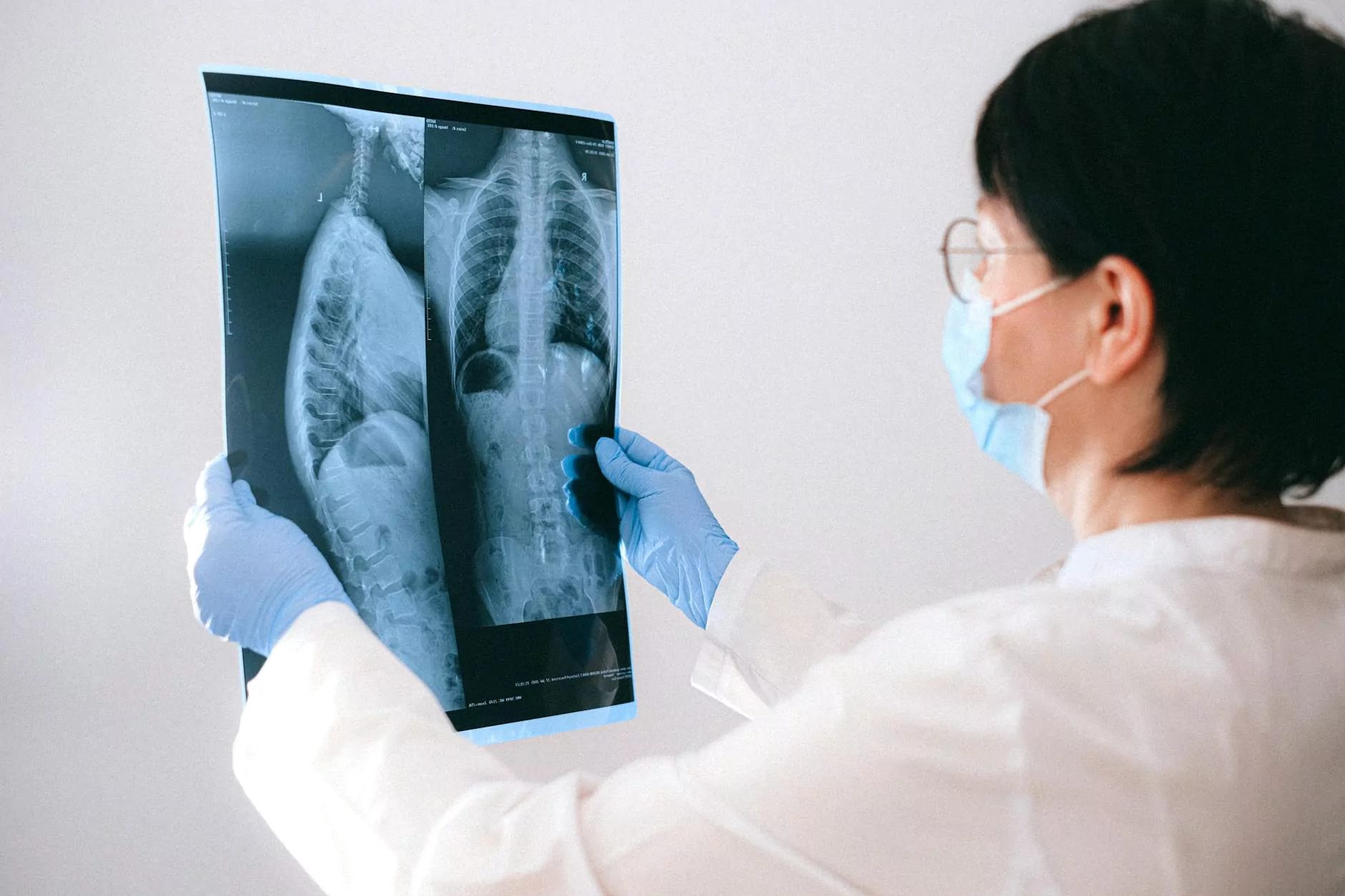
In the realm of modern healthcare, advanced diagnostic tools like the lung cancer CT scan have revolutionized the way medical professionals detect and manage thoracic diseases. This comprehensive guide aims to explore the intricacies of lung cancer CT scans, their significance in early detection, and how they integrate into broader health, medical, sports medicine, and physical therapy practices at leading clinics like hellophysio.sg.
Understanding the Role of a Lung Cancer CT Scan
A CT scan, or computed tomography scan, is a non-invasive imaging technique that combines X-ray data from multiple angles to generate detailed cross-sectional images of the body. Specifically for lung cancer, a lung cancer CT scan serves as an indispensable diagnostic tool capable of revealing small nodules or tumors within the lungs that are often undetectable through traditional X-ray methods.
What Is a Lung Cancer CT Scan?
A lung cancer CT scan utilizes advanced computed tomography technology to produce high-resolution images of the lungs and chest cavity. It offers unparalleled clarity, enabling physicians to:
- Detect lung nodules: Small abnormal growths that could be benign or malignant.
- Determine the location and size: Critical factors influencing treatment decisions.
- Assess the spread of cancer: Identifying whether cancer has metastasized to lymph nodes or other organs.
- Guide biopsies and intervention procedures: Assisting in tissue sampling and minimally invasive surgeries.
Why Early Detection of Lung Cancer Matters
Early diagnosis of lung cancer significantly impacts prognosis, treatment options, and survival rates. Unfortunately, early signs are often subtle or absent, making routine or high-risk screening essential. The lung cancer CT scan is instrumental in detecting tumors at an asymptomatic stage, often before symptoms emerge.
Benefits of Early Detection
- Increased Treatment Efficacy: Larger chances for curative therapies such as surgery or targeted treatments.
- Reduced Morbidity: Less invasive treatments when cancer is caught early.
- Improved Survival Rates: Significantly higher when lung cancer is diagnosed early.
- Better Quality of Life: Early interventions often lead to fewer complications and side effects.
Who Should Consider a Lung Cancer CT Scan?
While lung cancer can affect anyone, certain populations are at higher risk and should consider screening with a lung cancer CT scan. These include:
- Current and former smokers: Especially those with a history of heavy smoking or long duration.
- Individuals aged 55-80: Age is an important factor in screening guidelines.
- People with a family history of lung cancer: Genetic predisposition increases risk.
- Occupational exposures: Jobs involving exposure to carcinogens like asbestos, radon, or chemical fumes.
- Patients with respiratory symptoms: Persistent cough, chest pain, or unexplained weight loss warrant further assessment.
Understanding the Procedure of a Lung Cancer CT Scan
The process of undergoing a lung cancer CT scan is straightforward and generally well-tolerated. Here’s what to expect:
- Preparation: Patients may be asked to avoid eating or drinking for a few hours prior. Removing metal objects from the chest area is recommended to prevent artifacts.
- Positioning: The patient lies on a motorized table that slides into the CT scanner. The procedure usually takes 15-30 minutes.
- Scanning: The scanner emits X-rays while the patient remains still. Breath-hold instructions may be given to prevent movement blurring images.
- Post-procedure: The images are analyzed by radiologists, with the results typically available within a few days.
Contrast agents may sometimes be used to enhance image quality, especially for differentiating tumors from surrounding tissue.
Advancements in CT Technology and Their Impact on Lung Cancer Diagnosis
Technological innovations continue to improve the sensitivity and specificity of lung cancer detection through CT imaging. These advancements include:
- Low-dose CT scans: Reduce radiation exposure while maintaining image clarity, ideal for screening programs.
- 3D imaging and reconstruction: Provide comprehensive views for precise localization and surgical planning.
- Computer-aided detection (CAD): Enhances radiologists’ ability to identify subtle nodules that may be missed by the human eye.
- Artificial intelligence (AI): Assists in pattern recognition, risk stratification, and personalized treatment planning.
Incorporating Lung Cancer Screening into Broader Medical and Physical Health Practices
Holistic health care approaches at wellness centers like hellophysio.sg emphasize preventative health, physical fitness, and early diagnosis. Integrating regular screening, including lung cancer CT scans, with physical therapy and sports medicine can significantly improve overall health outcomes.
Role of Physical Therapy in Cancer Survivors
Post-diagnosis and post-treatment, physical therapy plays a vital role in restoring physical function, improving respiratory capacity, and enhancing quality of life. Tailored programs can help patients recover strength, manage pain, and regain independence.
Sports Medicine and Proactive Health
Active individuals and athletes benefit from preventive screenings and health assessments that include lung health evaluation. Early detection through precise imaging can prevent severe health events, ensuring they stay fit and active longer.
Choosing the Right Healthcare Provider for Your Lung Health
Quality healthcare providers such as those at hellophysio.sg offer cutting-edge diagnostic services, including state-of-the-art lung cancer CT scans. When selecting a provider, consider:
- Accreditations and certifications: Ensuring they meet national and international standards.
- Availability of advanced imaging technology: For precise and early diagnosis.
- Expertise of radiologists and specialists: Experienced professionals who interpret complex images.
- Comprehensive care: From screening to diagnosis, treatment, and follow-up.
Conclusion: Embracing Innovation for Better Lung Health
The integration of advanced imaging technologies like the lung cancer CT scan into routine health assessments marks a significant stride toward proactive healthcare. As technology continues to evolve, the ability to detect thoracic malignancies early improves, leading to better treatment outcomes and enhanced patient survival.
Aligning with specialist centers such as hellophysio.sg, which combine expertise in health & medical, sports medicine, and physical therapy, ensures a comprehensive approach to lung health and overall wellbeing.
Remember: Regular screenings, healthy lifestyle choices, and early intervention are your best defenses against lung cancer. Ensure your health is prioritized by scheduling routine lung cancer CT scans and consultations with qualified healthcare providers.