The Ultimate Guide to the Price of Myrrh: Understanding Its Value, Uses, and Importance in Health, Home, and Spices
Introduction to Myrrh: An Ancient Treasure with Modern Relevance
Myrrh is a resin with a history dating back thousands of years, revered across various cultures for its medicinal, spiritual, and aromatic properties. Its significance has persisted through time, making it a cornerstone in health remedies, traditional practices, and even in modern holistic wellness. The price of myrrh has seen fluctuations over the centuries, influenced by factors such as demand, supply chain logistics, purity standards, and geopolitical influences. Today, understanding the current market value and the many applications of myrrh can help consumers, health practitioners, and even home enthusiasts appreciate its enduring worth.
Historical Significance of Myrrh in Ancient Civilizations
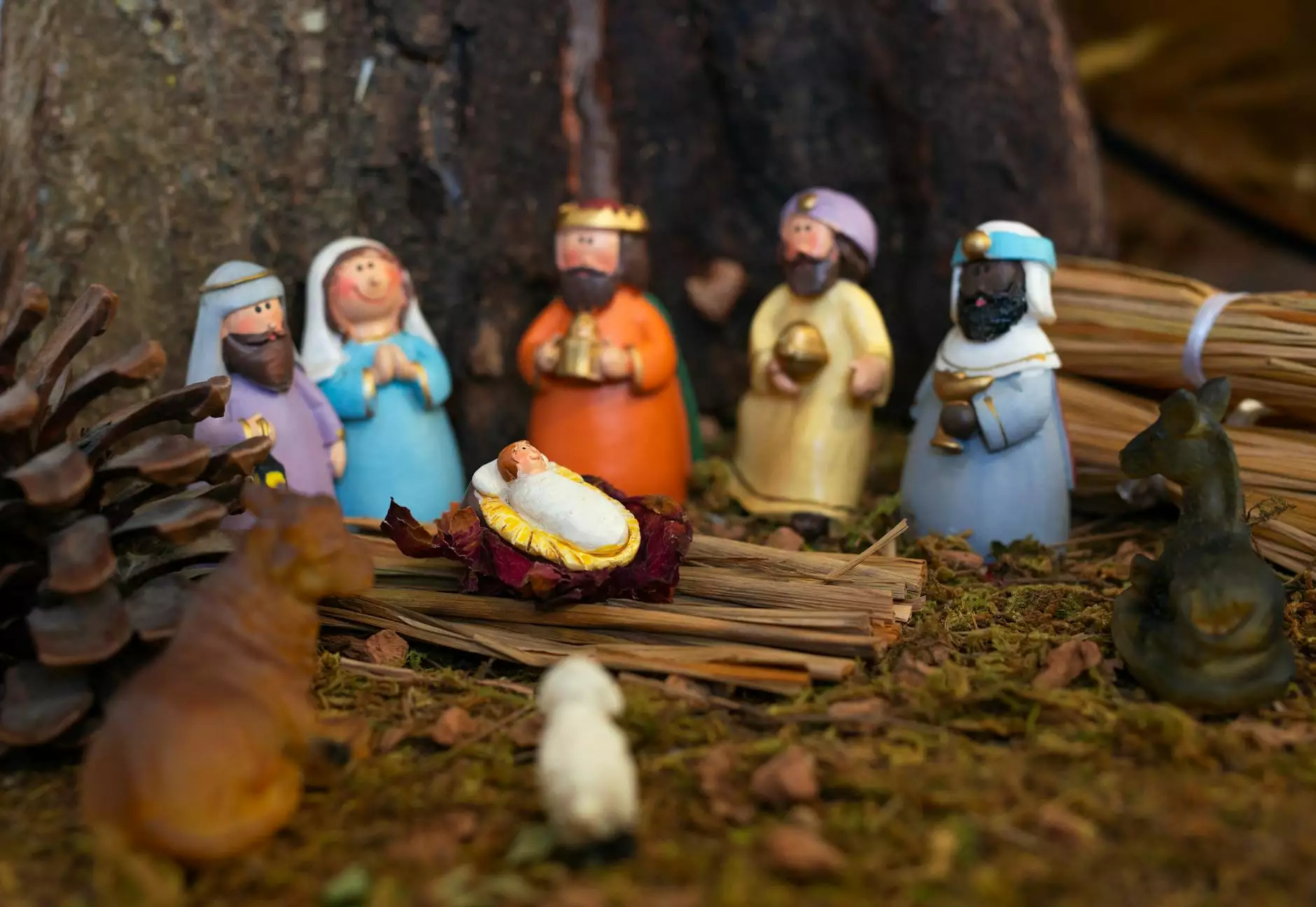
Historically, myrrh was highly prized in ancient Egypt, Mesopotamia, and the Middle East. It was used in embalming practices, religious rituals, and medicinal formulations. In biblical times, myrrh was one of the gifts from the Magi to the infant Jesus, symbolizing wealth and divine blessing. Its trade routes extended along the Incense Route, emphasizing its high value and significance in international commerce.
As one of the most sought-after resins, the price of myrrh historically reflected its scarcity and potent use, making it a precious commodity with a high economic and spiritual value. Today, this historical stature still influences its market dynamics, even as modern production techniques have made it more accessible.
Factors Influencing the Price of Myrrh
Supply Chain and Geographic Origins
- Source Regions: Myrrh is primarily harvested from gum-resin trees in regions like Somalia, Ethiopia, Yemen, South Arabia, and parts of Northeast Africa. The geographical location affects both the quality and cost of the resin.
- Harvesting Methods: Traditional tapping and sustainable harvesting practices impact the quality and yield, which in turn influence pricing.
- Supply and Demand: Fluctuations in demand for herbal remedies, spiritual practices, and essential oils can significantly impact prices.
Purity and Quality Standards
- Purity levels: Higher purity myrrh commands a premium price. Standardized extraction and refining processes improve quality but can increase cost.
- Grade Classification: Grades such as A, B, and C determine the purity, aroma, and resin content, affecting their market value.
Market Trends and Consumer Preferences
- Organic and Ethically Sourced products tend to carry higher prices due to sustainable harvesting practices.
- Health Trends: Growing interest in natural remedies and aromatherapy propels the demand for high-quality myrrh, influencing its price.
- Market Fluctuations: Global economic shifts and geopolitical events may influence import taxes and availability, causing price variations.
Current Market Price of Myrrh (2024)
The price of myrrh varies across different markets and suppliers. As of 2024, the typical market price ranges from:
- Wholesale: $30 to $60 per kilogram for standard quality, organic-grade myrrh.
- Retail: $10 to $20 per ounce for premium, pure resin suitable for aromatherapy and spiritual use.
It's important to note that these prices can fluctuate based on seasonal harvests, geopolitical stability in source regions, and advancements in extraction technology.
Uses of Myrrh and How It Justifies Its Price
In Health and Medicine
Myrrh has been utilized for centuries for its potent antimicrobial, anti-inflammatory, and healing properties. It is commonly used in:
- Oral care: Mouthwashes and toothpaste for gum health.
- Skincare: Treatments for wounds, skin infections, and anti-aging formulations.
- Digestive health: Herbal teas and tinctures to soothe gastrointestinal issues.
In Spiritual and Religious Rites
Organic and high-grade myrrh is essential in spiritual practices, including incense burning, meditation, and religious offerings. Its aromatic profile and spiritual symbolism contribute to its premium pricing.
In Home and Aromatherapy
Diffusers, scented candles, and massage oils infused with myrrh are popular within holistic and wellness communities, adding value to its cost through therapeutic benefits.
In Culinary Applications
Although less common, myrrh is used in small quantities as a spice or flavoring agent in certain traditional recipes, further diversifying its market.
The Future Outlook: Trends and Predictions for the Price of Myrrh
Looking ahead, the price of myrrh is projected to continue its upward trend due to increasing global awareness of natural remedies, growing demand in wellness industries, and the premium placed on organic and sustainably sourced products. Innovations in cultivation and extraction may also stabilize prices while improving quality.
Additionally, the expansion of herbal markets and antienvironmental initiatives in producing countries will influence supply logistics, further impacting costs. Consumers should stay informed about market fluctuations to make educated purchasing decisions.
How to Purchase Authentic and Cost-Effective Myrrh
- Choose reputable suppliers: Look for certified organic and ethically sourced products from trusted vendors like euromomsf.com.
- Compare quality grades: Understand the difference between grades and opt for higher purity products to ensure efficacy.
- Consider bulk purchases: Buying wholesale can significantly reduce overall costs.
- Read customer reviews: Ensure the product authenticity and satisfaction among other buyers.
Conclusion: Embracing the Value of Myrrh in Modern Life
The price of myrrh is a reflection of its rich history, versatile applications, and enduring demand across various sectors. Whether used in health, spiritual practices, or home environments, high-quality myrrh continues to be a valuable asset. Understanding the factors that influence its market value allows consumers and practitioners to make informed decisions, ensuring they receive the greatest benefit from this ancient yet timeless resin.
As awareness and appreciation for natural products grow, so too will the importance of sustainable harvesting and quality assurance, vital for maintaining the true worth of myrrh in the global marketplace. Embracing this invaluable resource can enhance health, spirituality, and well-being, making the investment in authentic myrrh well worth the price.