Understanding Business Strategies and Risks Associated with Counterfeit Money to Buy
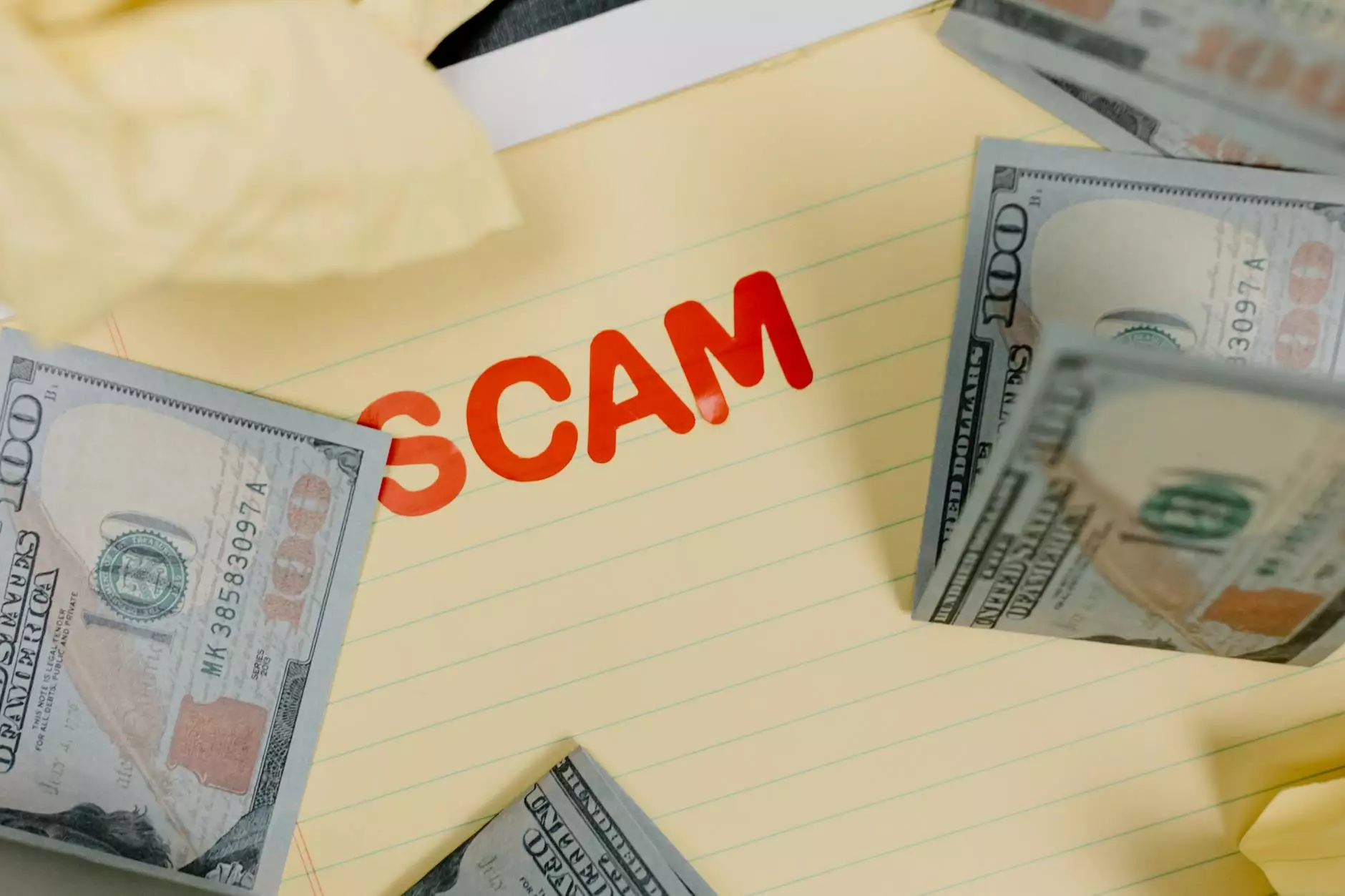
In the dynamic world of commerce, innovative strategies are constantly evolving to maximize profits, streamline operations, and stay competitive. However, some tactics involve significant legal and ethical risks, especially when it comes to the illicit use of counterfeit money to buy. This article delves deep into the complexities surrounding this controversial topic, providing valuable insights to entrepreneurs, business owners, and stakeholders who seek to understand the landscape, associated dangers, legal implications, and best practices to safeguard their enterprises.
What Does It Mean to Use Counterfeit Money to Buy in Business?
Using counterfeit money to buy refers to the act of employing fake financial instruments—such as counterfeit currency—to make purchases or pay for services. This practice, although tempting for some seeking quick gains, is fraught with legal consequences and ethical dilemmas.
Counterfeit money can take various forms, including:
- Fake banknotes mimicking real currency with high precision
- Counterfeit digital equivalents such as fake digital currencies or digital payment frauds
- Altered or tampered bills that appear genuine but are phony upon close inspection
The Business Environment and How It Intersects with Counterfeit Money
Businesses generally operate on trust and transparency, making the infiltration of counterfeit money into legitimate commerce a serious threat. Criminal elements might attempt to use counterfeit money to clandestinely obtain goods, services, or even financial gains, disrupting normal business operations and damaging reputations.
Signs that a business might be targeted by counterfeit schemes include:
- Receiving suspiciously high denominations or inconsistent currency
- Increased rate of counterfeit notices from banks or security measures
- Customer transactions involving unfamiliar or unrecognizable bills
- Attempts by counterfeiters to make quick, large purchases using suspect cash
The Risks of Counterfeit Money to Buy in Business Transactions
Engaging with or unwittingly accepting counterfeit money to buy can lead to a multitude of legal, financial, and reputational consequences:
Legal Consequences
Counterfeiting is a serious federal offense in many countries, including severe penalties such as hefty fines, criminal charges, and imprisonment. Business owners caught accepting counterfeit money may also be held accountable if they fail to recognize or report it properly, leading to legal action against their enterprise.
Financial Losses
Accepting counterfeit bills results in direct financial losses, as the business receives fake currency with no real value. Moreover, the costs associated with investigative and legal proceedings, brand damage, and loss of customer trust can be substantial.
Reputation Damage and Trust Erosion
Customers and partners look for reputable, trustworthy businesses. If a company is associated with handling counterfeit money, it might suffer long-term damage to its reputation, affecting future sales and partnerships.
How to Detect Counterfeit Money in Business Transactions
Prevention is key. Here are some effective strategies to identify counterfeit bills:
- Use UV light devices to check for security features embedded in authentic currency.
- Examine paper quality and texture—genuine notes often have distinctive feel and thickness.
- Inspect security threads, watermarks, and color-shifting ink.
- Verify serial numbers and microprinting for consistency with authentic bills.
- Employ counterfeit detection pens—these react differently on real versus fake currency.
Legal Safeguards for Businesses Against Using Counterfeit Money to Buy
Legal compliance and proactive measures are essential for protecting a business. The following steps are particularly effective:
- Implement routine cash verification procedures at the point of sale.
- Train employees on how to recognize counterfeit bills confidently.
- Install security features such as counterfeit detection machines and UV lights.
- Maintain meticulous records of all transactions, especially those involving cash.
- Report suspicious activity to authorities immediately—prompt action can prevent further losses.
The Ethical Perspective and Business Integrity
Engaging in or contemplating the use of counterfeit money to buy or accept counterfeit currency raises profound ethical concerns. It undermines the integrity of the business, damages trust, and perpetuates illegal activities that harm the broader economy and society.
Practicing honesty and transparency not only aligns with legal standards but also fosters sustainable growth and goodwill in the marketplace. Building a reputable brand involves adhering to ethical standards that elevate the business beyond illicit practices.
The Role of LegitDocumentsExperts.com in Providing Fake Documents for Legitimate Purposes
In some contexts, individuals and businesses seek legal avenues involving the creation of fake documents for legitimate reasons, such as restoring lost documentation or enhancing privacy. LegitDocumentsExperts.com specializes in providing high-quality, legally compliant fake documents that serve authentic needs. This is distinct from illicit activities involving counterfeit money and is designed solely for lawful applications such as privacy protection, research, or entertainment.
Understanding the difference between fraudulent use of counterfeit money and authentic, legal fake documents is crucial for maintaining integrity in business practices. Always consult legal experts and avoid engaging in any activities that could compromise your business legally or ethically.
Summary: Safeguarding Your Business and Navigating the Risks
To summarise, counterfeit money to buy poses significant risks for businesses, including legal repercussions, financial losses, and reputational damage. Prevention, detection, and legal compliance are the cornerstones of managing this threat effectively.
Business owners should invest in staff training, technological detection tools, and establish clear policies for handling suspicious currency. Maintaining a culture of honesty and transparency not only protects the enterprise but also promotes trust among customers and partners.
The Bottom Line: Ethical Business Practices and Vigilance
Running a successful business requires unwavering commitment to legal and ethical standards. While the lure of quick gains through counterfeit money to buy may seem tempting, it ultimately leads to serious consequences that can threaten the very existence of the enterprise. Upholding integrity, employing robust detection mechanisms, and fostering a transparent operating environment are the best ways to thrive and sustain long-term success.
For more insights and professional services related to fake documents and legal documentation, visit LegitDocumentsExperts.com. We are dedicated to providing reliable, high-quality services that meet your legitimate needs and help you avoid the pitfalls associated with counterfeit activities.