Woodland Dental Hygiene: Your Guide to a Healthy Smile

Woodland dental hygiene is more than just a routine; it’s a commitment to maintaining the health of your teeth and gums while ensuring that your smile remains beautiful for years to come. In this comprehensive guide, we will delve into the various aspects of dental hygiene, the significance of professional care, and the steps you can take to enhance your oral health.
The Importance of Dental Hygiene
Dental hygiene plays a crucial role in overall health. Poor oral hygiene can lead to a variety of health issues, including tooth decay, gum disease, and even systemic diseases such as heart disease and diabetes. Here are several reasons why woodland dental hygiene should be a top priority:
- Prevention of Tooth Decay: Regular brushing and flossing help to remove plaque, the sticky film of bacteria that forms on teeth. This prevents cavities and tooth decay.
- Gum Health: Neglecting dental hygiene can lead to gingivitis, the earliest stage of gum disease, which can result in swollen gums and tooth loss if left untreated.
- Fresh Breath: Good dental hygiene keeps your mouth fresh and free from bad odors caused by bacteria and food particles.
- Aesthetic Appeal: Regular care helps maintain the whiteness of your teeth and contributes to overall oral aesthetics.
- General Health: Oral health is linked to overall health; therefore, maintaining proper hygiene can mitigate risks of health issues beyond dental problems.
Components of Effective Woodland Dental Hygiene
To achieve optimal woodland dental hygiene, it is essential to incorporate various components into your daily routines. Each aspect plays a significant role in maintaining oral health:
Daily Oral Care Routine
Your daily oral care should consist of:
- Brushing: Brush your teeth at least twice a day using fluoride toothpaste. Make sure to cover all surfaces of each tooth and spend a minimum of two minutes brushing.
- Flossing: Daily flossing is vital to remove food particles and plaque from between the teeth and below the gumline.
- Mouthwash: Using an antimicrobial mouthwash can help reduce plaque and fight bad breath. Choose a product that contains fluoride for additional protection.
Regular Dental Check-ups
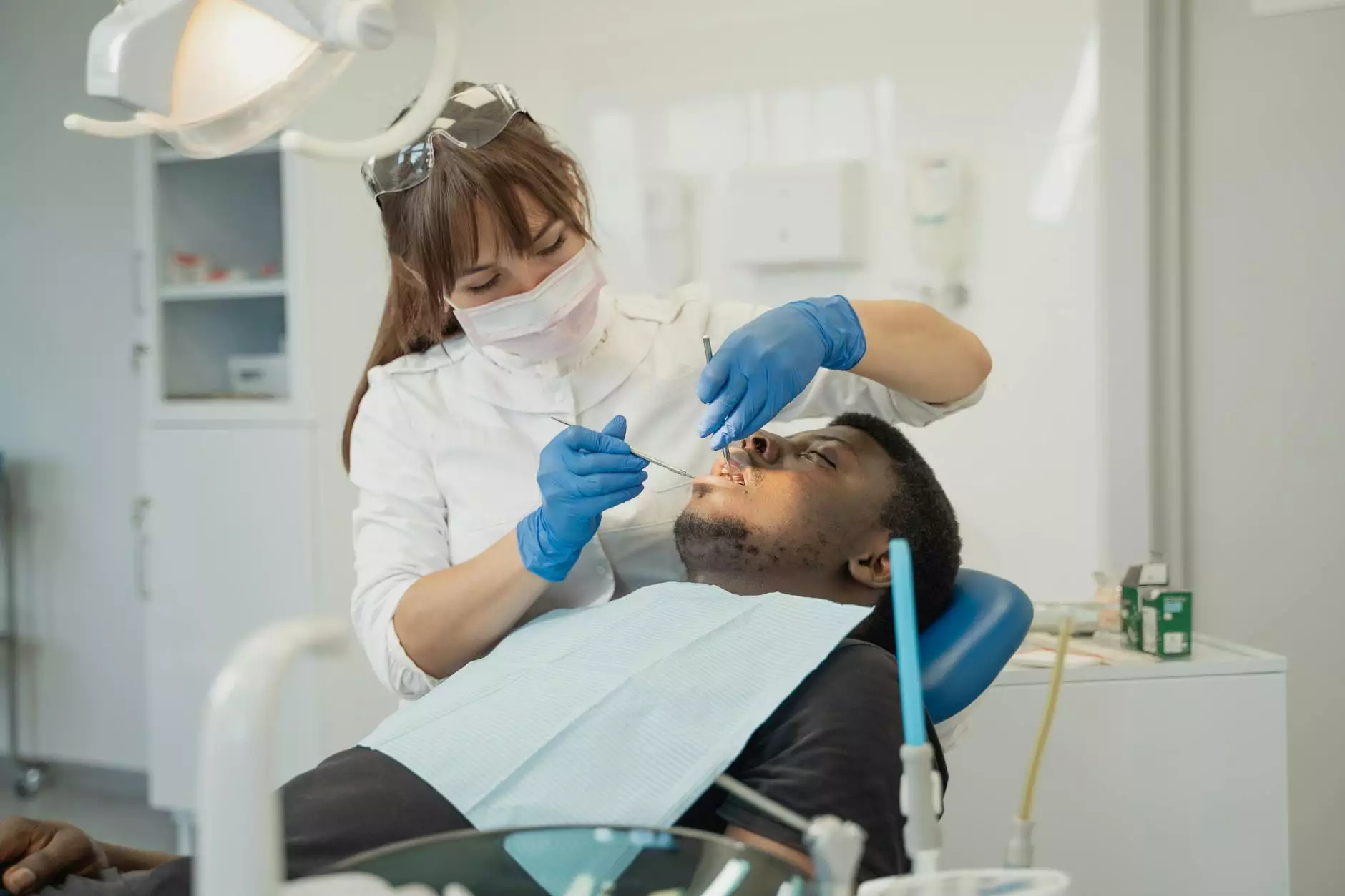
Visiting your dentist regularly, typically every six months, is a crucial part of woodland dental hygiene. During these visits, your dentist can:
- Perform professional cleanings to remove tartar that regular brushing cannot.
- Examine your teeth and gums for signs of decay or disease.
- Provide fluoride treatments and sealants as preventive measures to protect teeth.
- Offer personalized advice based on your unique dental needs.
Understanding General Dentistry
General dentistry encompasses a broad range of dental services aimed at maintaining oral health and treating a variety of dental conditions. This category includes:
Preventive Services
These services are designed to prevent dental issues before they arise. They include:
- Dental Cleanings: Regular cleanings are essential for removing plaque and tartar buildup.
- Oral Exams: Comprehensive exams help identify potential problems early on.
- X-rays: Dental radiographs provide a deeper look into your oral health and can detect issues not visible to the naked eye.
Restorative Services
When dental issues occur, restorative services by general dentists come into play:
- Fillings: Repair cavities and restore the integrity of the tooth.
- Crowns: Used to cover and protect damaged teeth.
- Root Canals: Treat infected tooth pulp to save the natural tooth.
Cosmetic Dentistry: Enhancing Your Smile
Cosmetic dentistry focuses on improving the aesthetics of your teeth, gums, and smile. This area of dentistry can have a transformative impact on your overall confidence and self-esteem. Key cosmetic procedures include:
Teeth Whitening
Brightening your smile can be achieved through professional whitening treatments, which are often more effective than at-home kits. Benefits include:
- Quick results
- Custom-made trays for optimal application
- Long-lasting effects
Veneers
Dental veneers are thin shells of porcelain or composite resin that cover the front surface of your teeth, correcting imperfections such as discoloration, chips, or gaps. The benefits include:
- A natural appearance
- Stain resistance
- Customization for size, shape, and color
Invisalign
This is an innovative approach to straightening teeth without traditional braces. Benefits include:
- Clear aligners that are nearly invisible
- Removable for easy cleaning and eating
- Custom treatment plan for optimal results
Maintaining Hygienic Practices at Home
While professional care is essential, at-home practices are equally important in your journey toward optimal woodland dental hygiene. Here are some tips:
- Diet: Consuming a balanced diet rich in vitamins and minerals promotes better oral health. Limit sugary snacks and beverages, which can lead to decay.
- Hydration: Drinking water throughout the day aids saliva production, which naturally fights bacteria in the mouth.
- Avoid Tobacco: Smoking and other forms of tobacco can lead to gum disease and cancer.
Conclusion: Embrace Woodland Dental Hygiene
In conclusion, woodland dental hygiene is an integral part of overall health that cannot be ignored. By following a comprehensive routine that includes daily care, regular check-ups, and the incorporation of both general and cosmetic dentistry services, you can ensure that your smile remains bright, healthy, and aesthetically pleasing.
At Woodlands Dental Practice, we are dedicated to providing you with the highest standard of care tailored to your specific dental needs. Whether you are seeking preventive care, restorative treatment, or cosmetic enhancements, our expert team is here to support you every step of the way. Remember, investing in your dental hygiene today will reap benefits for a lifetime.