The Importance of Printed Textbooks in Today's Learning Environment
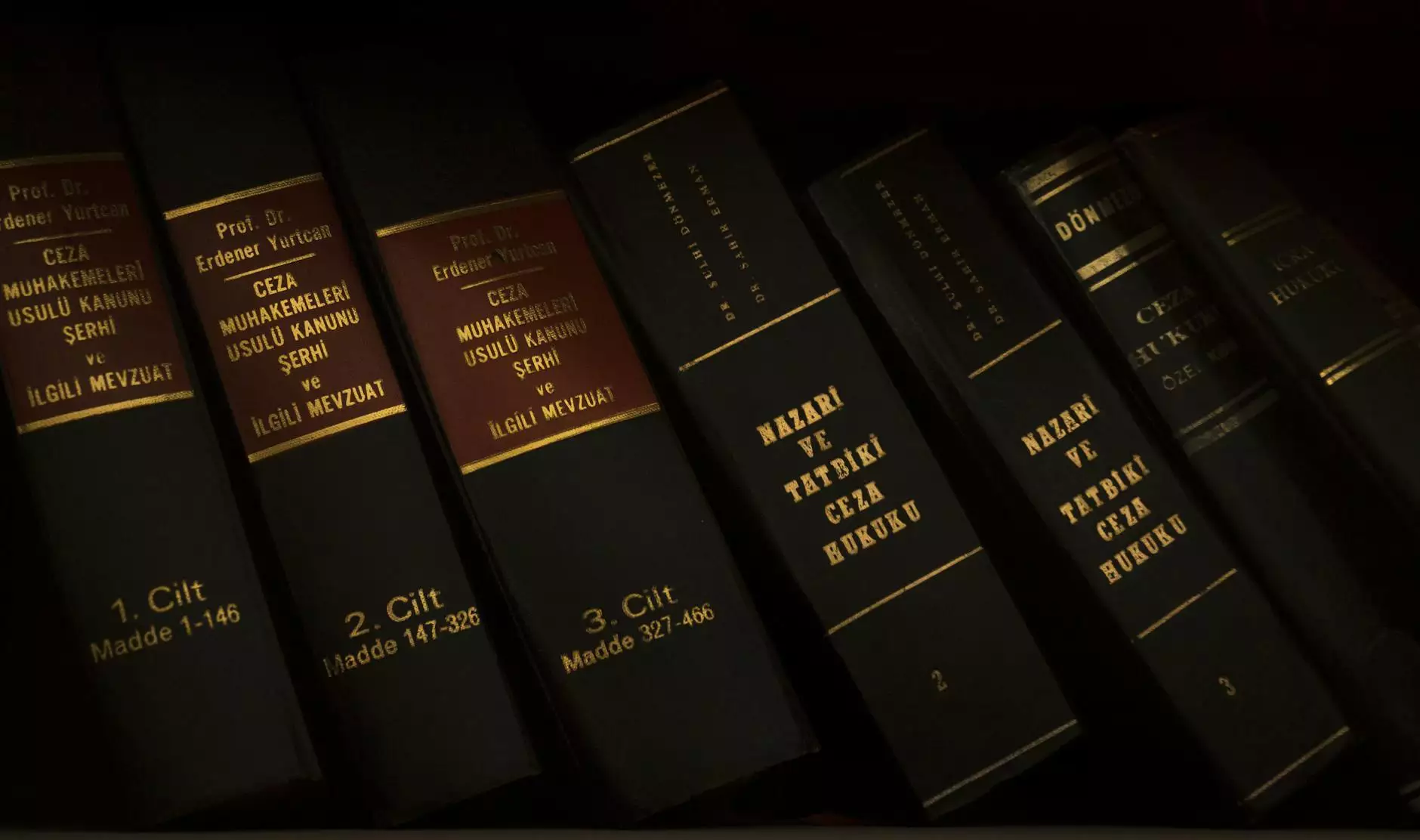
The educational landscape is constantly evolving, yet printed textbooks remain a cornerstone of effective learning. Despite the rise of digital media, these tangible resources provide unique advantages that enhance comprehension and retention. In this article, we delve into the myriad reasons why printed textbooks should not be overlooked, and how businesses like Printitza, a leading provider of Printing Services, play a vital role in delivering quality educational materials.
1. The Tangibility of Printed Textbooks
One of the most compelling reasons to prefer printed textbooks over digital formats is their tangibility. When students hold a book in their hands, they engage with the material in a more interactive and immersive way. Research indicates that students who study from physical books tend to:
- Comprehend Material Better: The act of physically turning pages helps in memory retention.
- Minimize Distractions: Unlike digital devices, printed books do not have pop-ups or notifications that can derail focus.
- Enhance Note-Taking: Highlighting and annotating on physical pages can create a more engaging study process, aiding in better understanding.
2. The Role of Print in Cognitive Learning
Many educators emphasize the importance of print in cognitive processing. A study conducted by the University of Southern California revealed that students using printed materials had a deeper understanding of the content compared to those relying solely on screens. This understanding can be attributed to several factors:
- Physical Engagement: Students are more likely to remember what they read when they physically engage with the material.
- Improved Focus: With printed textbooks, students can immerse themselves without the temptation of digital distractions.
- Better Performance: Research shows that students using printed textbooks often scored higher on exams than their digital-preferring counterparts.
3. Accessibility and Adaptability of Printed Textbooks
While technology continues to advance, there remains a substantial demographic that struggles with access to digital resources. Printed textbooks ensure that every student has access to the same high-quality educational materials, regardless of their socio-economic status or technical ability. Additionally, printed materials can be used in various environments:
- Classrooms: Where teachers can utilize them for lectures and collaborative exercises.
- Homes: Allowing for study sessions free from the digital world's interruptions.
- Libraries: Where physical copies can be borrowed, ensuring that everyone has access to necessary resources.
4. The Environmental Impact of Printed Textbooks
It's a common misconception that printed textbooks are a significant contributor to environmental degradation. With advancements in sustainable printing practices, businesses like Printitza are leading the charge in producing eco-friendly textbooks. Key practices include:
- Recycled Paper: Utilizing recycled materials to reduce waste and preserve forests.
- Eco-Friendly Inks: Using vegetable-based inks which are less harmful to the environment.
- Sustainable Production Techniques: Implementing energy-efficient production methods to minimize carbon footprints.
5. Cost Efficiency of Printed Textbooks
Investing in printed textbooks can be more cost-effective than digital alternatives in the long run. While the initial purchase price of a digital textbook may seem lower, hidden costs can accumulate over time. Consider the following:
- Device Dependence: Many digital books require specific devices or platforms, which can be costly to maintain.
- Updates and Editions: Printed textbooks have a longer shelf life compared to digital versions that may require frequent updates.
- Resale Value: Printed textbooks can often be resold or shared, creating inherent value.
6. Enhancing the Learning Experience with Printed Textbooks
Educators across the globe advocate for a blended learning approach, integrating both digital and printed resources. Printed textbooks can enhance the learning experience in various dimensions:
- Structured Learning: Print materials often provide a clear structure to the content, making it easier for students to follow along.
- Visual Learning: Printed diagrams, illustrations, and photos can provide clarity that digital screens sometimes cannot convey.
- Collaborative Study: Physical textbooks facilitate group work, discussions, and peer-to-peer learning.
7. Case Studies: Effective Use of Printed Textbooks
Consider the successful education models implemented in various institutions that leverage printed textbooks. Schools that have maintained a robust library of printed materials have reported:
- Higher Graduation Rates: Students are more likely to graduate when they have consistent access to high-quality printed educational resources.
- Improved Literacy Levels: Elementary schools utilizing a combination of printed materials report better reading abilities among young learners.
- Increased Engagement: Teachers note that students actively participating in lessons often benefit from the tactile experience of printed books.
8. Printitza’s Commitment to Quality Printing Services
Printitza stands out as a leader in the printing services sector, dedicated to producing printed textbooks that meet the highest standards of quality and sustainability. Their commitment includes:
- State-of-the-Art Printing Technology: Utilizing cutting-edge technology to enhance print quality.
- Flexibility in Order Sizes: Capable of handling both small and large volume printing requests efficiently.
- Fast Turnaround Times: Ensuring that institutions receive their printed materials promptly and without delays.
9. The Future of Printed Textbooks
As we look to the future, the role of printed textbooks in education remains robust. With endless possibilities for innovation in printing techniques and the consistent demand for high-quality educational materials, companies like Printitza are well-positioned to adapt to changing needs. Future trends may include:
- Interactive Elements: Incorporating augmented reality features into printed materials for enhanced learning experiences.
- Personalization: Ability to customize textbooks for individual learners' needs.
- Integration with Digital Resources: Creating connections between printed and digital media to create a holistic educational environment.
Conclusion: Embracing the Power of Printed Textbooks
In conclusion, while digital resources are increasingly popular, the significance of printed textbooks cannot be underestimated. They provide unique benefits that cater to various learning styles and environments, ensuring that education remains accessible and effective for all students. As education continues to evolve, businesses like Printitza are pivotal in delivering essential resources that empower learners. The future of education is a balance of digital and print—embracing both allows us to foster a richer learning experience.
Investing in printed textbooks today is an investment in the future of education. With firms like Printitza leading the way in quality printing services, we can ensure that these invaluable learning tools remain a staple in classrooms for years to come.