The Impact of Cloned Cards in Modern Business
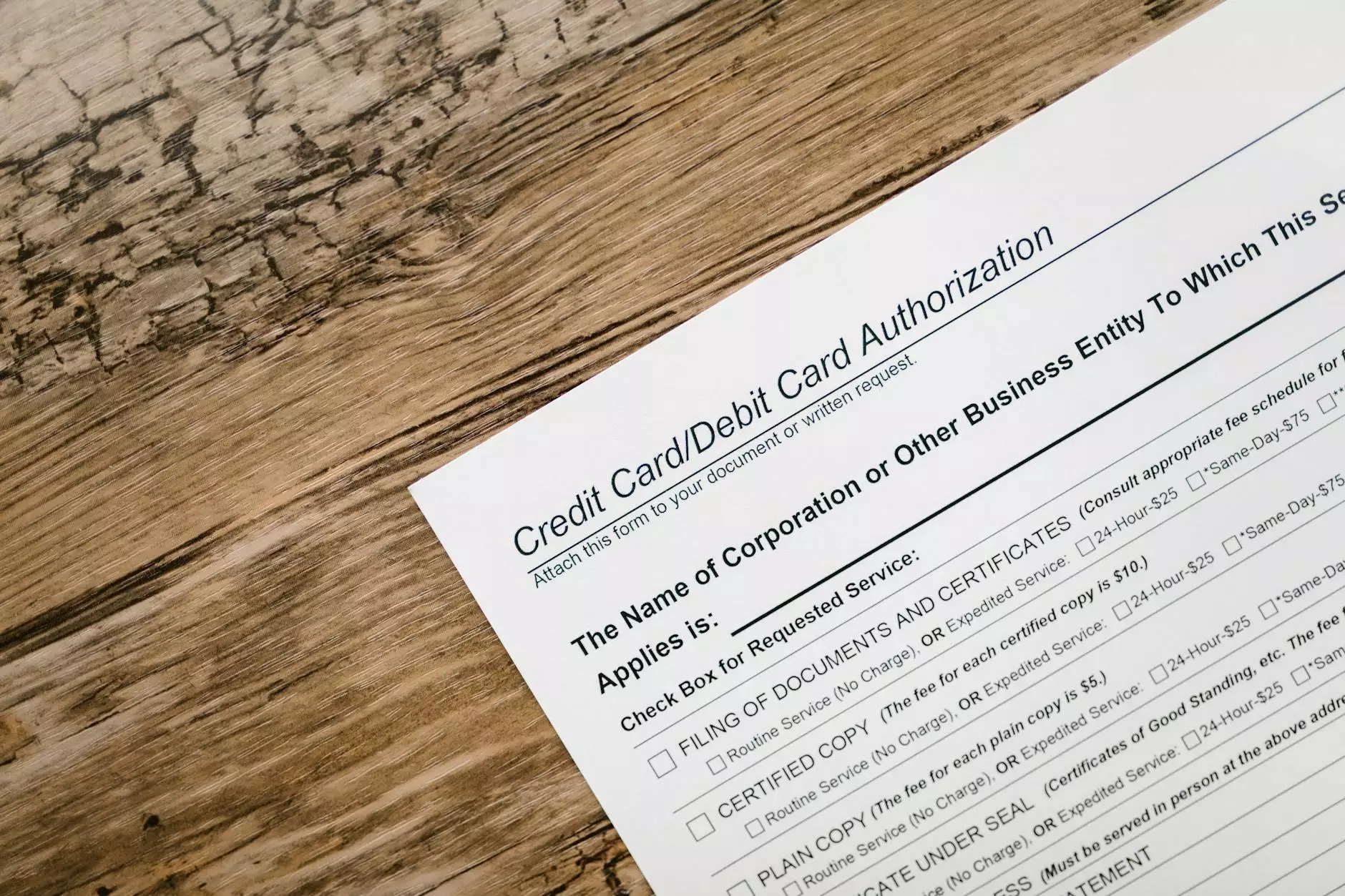
In today's digital era, the rise of technology has transformed the way businesses operate. However, with this transformation comes new challenges, one of which is the issue of cloned cards.
Understanding Cloned Cards
Before delving into the implications of cloned cards, it's crucial to understand what they are. Cloned cards typically refer to credit or debit cards that have been illegally duplicated to gain unauthorized access to a person's financial information. This illicit practice often leads to fraudulent transactions and significant financial losses, both for businesses and consumers.
The Mechanism Behind Cloning
Card cloning can occur through various methods, including:
- Skimming: This technique involves a small device, known as a skimmer, which captures data from the magnetic stripe of a card when the card is swiped through a point-of-sale terminal.
- Data Breaches: Hackers may gain access to card data during cyberattacks on businesses that store sensitive customer information.
- Phishing: Scammers may attempt to trick individuals into providing their card details via fraudulent emails or websites.
The Business Implications of Cloned Cards
The presence of cloned cards in the market has several far-reaching effects on businesses:
1. Financial Losses
When cloned cards are used for fraudulent activities, businesses often bear the brunt of the financial fallout. This could manifest in various ways:
- Chargebacks: Businesses may face chargebacks from banks due to disputed transactions, which can result in loss of revenue.
- Increased Transaction Fees: High rates of fraud may lead to increased transaction fees from payment processors, further eating into profits.
- Loss of Customer Trust: If customers feel their financial information is at risk, they may choose to take their business elsewhere.
2. Legal Repercussions
Dealing with issues related to cloned cards can also lead businesses into legal troubles, including:
- Litigation Costs: Companies can face lawsuits from consumers whose financial data was compromised.
- Regulatory Fines: Failure to comply with data protection regulations can result in hefty fines and sanctions.
Prevention Strategies for Businesses
To combat the threat of cloned cards, businesses can implement various strategies:
1. Invest in Advanced Security Measures
Adopting secure payment processing systems is essential. This includes using EMV chip technology, which offers better protection against cloning than traditional magnetic stripes.
2. Regular Employee Training
Employees should be educated about the potential risks associated with cloned cards and how to recognize them. Regular training sessions can help staff identify suspicious activities and respond effectively.
3. Implement Strong Authentication Processes
Utilizing multi-factor authentication (MFA) can add an extra layer of security when processing transactions. This makes it more challenging for criminals to misuse cloned cards.
The Economic Impact of Cloned Cards
The ramifications of cloned cards do not just affect individual businesses; they ripple through the economy:
1. Increased Costs for Financial Institutions
When fraud occurs through cloned cards, financial institutions incur costs related to processing fraudulent claims and reimbursing customers. Banks may pass these costs onto consumers in the form of higher fees.
2. Consumer Spending Habits
Consumers who have been victims of card cloning may become hesitant to use their cards, affecting spending and, consequently, economic growth. A lack of consumer confidence can lead to decreased sales across various sectors.
Looking Ahead: The Future of Payment Security
As technology evolves, so do the methods used by criminals to exploit it. However, advances in security technology are also on the rise. Here are some developments to watch:
1. Biometric Authentication
Fingerprint recognition and facial recognition technology are becoming increasingly prominent in the payment process, providing a more secure way to verify identities and reduce the chances of using cloned cards.
2. Blockchain Technology
Blockchain offers a decentralized and secure way of processing financial transactions. Its transparent nature can help reduce fraud and increase trust among consumers.
Conclusion
In conclusion, while cloned cards pose significant challenges to businesses and the economy at large, proactive measures can help mitigate these risks. By investing in security, training, and adopting emerging technologies, businesses can protect themselves and their customers from the negative impacts of card cloning. As we move into a future of enhanced payment security, both companies and consumers can find peace of mind in a more secure financial landscape.
For businesses interested in further understanding this issue or exploring resources related to fake banknotes, fake money, and counterfeit money, visit variablebills.com for more information.