Understanding Dental Implants: A Comprehensive Guide
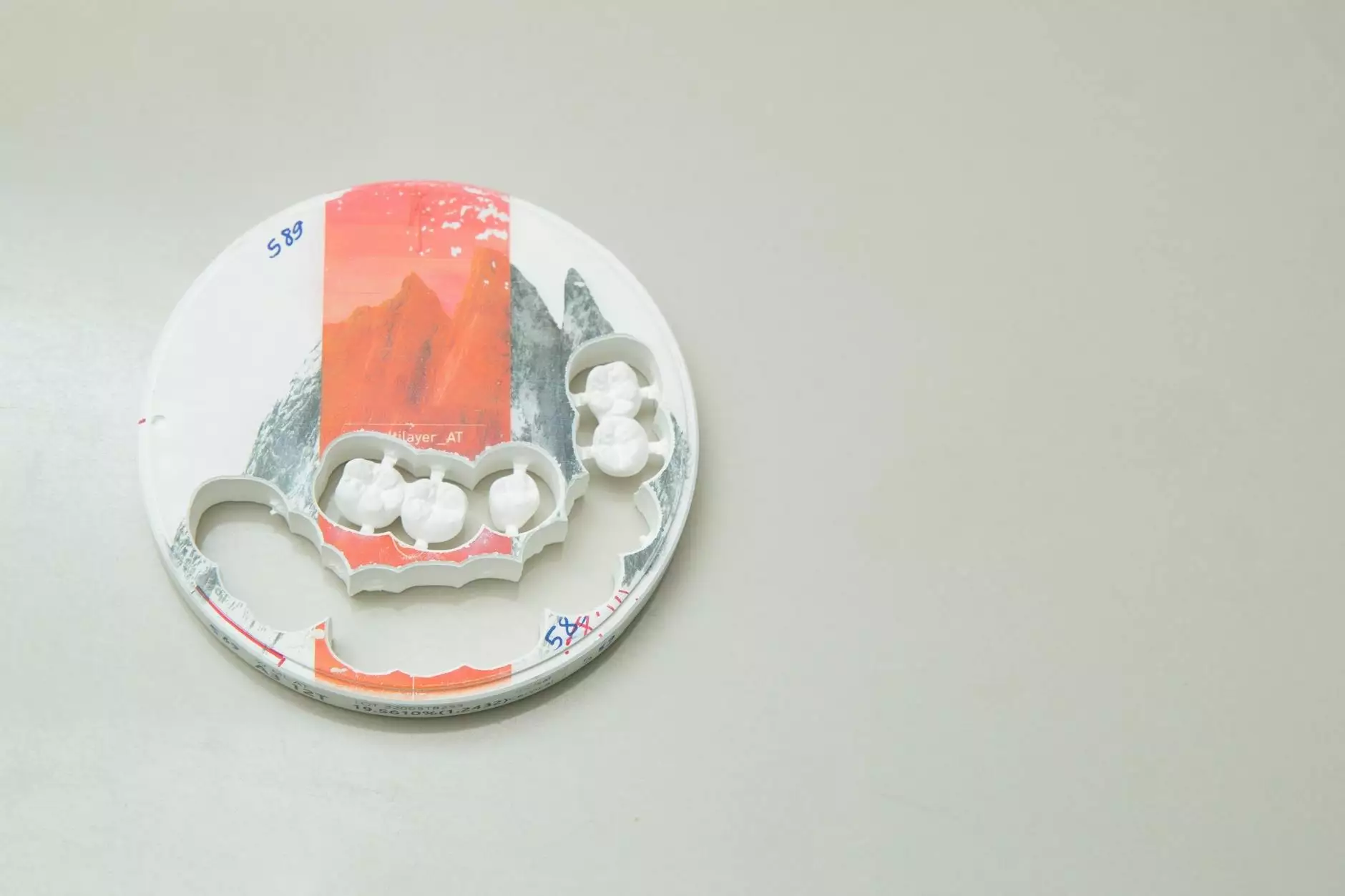
Dental health plays a vital role in our overall well-being, and the advancement in dental technology has paved the way for innovative solutions to various oral issues. One such solution that has gained immense popularity is dental implants. This article will delve deep into the world of dental implants, exploring their benefits, types, and the procedures involved.
What are Dental Implants?
Dental implants are artificial tooth roots that are surgically placed into the jawbone. They are designed to provide a permanent base for fixed, replacement teeth or bridges that match your natural teeth. Unlike dentures, which could slip and slide, dental implants are anchored securely in your mouth, allowing for improved functionality and comfort.
The Benefits of Dental Implants
Choosing dental implants offers several advantages over traditional dental solutions. Here are some key benefits:
- Improved Appearance: Dental implants look and feel like your natural teeth. They are designed to fuse with the jawbone, providing a natural appearance.
- Enhanced Speech: Unlike poorly fitting dentures, dental implants allow you to speak without worry that your teeth might slip.
- Increased Comfort: Because they become part of you, implants eliminate the discomfort of removable dentures.
- Improved Oral Health: Dental implants do not require altering other teeth, which helps maintain your dental health over time.
- Durability: With proper care, implants can last many years, making them a cost-effective solution in the long term.
- Convenience: No need for messy adhesives to keep them in place. With dental implants, your teeth stay in place, allowing for easier eating and maintenance.
Types of Dental Implants
There are primarily two types of dental implants: endosteal and subperiosteal.
1. Endosteal Implants
Endosteal implants are the most common type. They are surgically implanted directly into the jawbone. This type typically uses screws, cylinders, or blades and requires a sufficient amount of bone to support them.
2. Subperiosteal Implants
Subperiosteal implants are placed under the gum but on or above the jawbone. This type is suitable for patients who do not have enough healthy natural jawbone and do not wish to undergo a bone augmentation procedure.
Dental Implant Procedure: What to Expect
While the dental implant procedure is a multi-step process, understanding each phase can reduce anxiety and prepare you for what to expect.
1. Initial Consultation
Your journey begins with a thorough examination by a dental professional. During the initial consultation, your overall health, oral health, and the condition of your jawbone will be assessed. Imaging technologies such as X-rays or 3D images may be used to create a detailed map of your mouth.
2. Treatment Planning
Your dentist will collaborate with you to create a personalized treatment plan that takes your unique needs into consideration. This plan will encompass the type of implant and the essential timeline for the procedures.
3. Bone Grafting (If Necessary)
For patients lacking sufficient jawbone density, a bone graft may be required to provide adequate support for the dental implants. The graft will be integrated over several months before the implant procedure can begin.
4. Implant Placement
During the next visit, the dental implant will be carefully placed into your jawbone under local anesthesia. The surgery typically takes place in stages, and after the placement, a healing period is necessary to allow the bone to integrate with the implant, a process known as osseointegration.
5. Abutment Placement
Once healing is complete, a small connector post known as an abutment will be attached to the implant. This will hold the crown securely in place. It is often necessary to heal for several weeks after this step.
6. Crown Placement
Finally, a custom-made crown is created to match the color, size, and appearance of your natural teeth. This crown is then attached to the abutment, completing the dental implant process.
Care and Maintenance of Dental Implants
Proper care is essential to ensure the longevity of your dental implants. Here are some tips to maintain your oral health after receiving dental implants:
- Practice Good Oral Hygiene: Brush and floss daily, as you would with natural teeth, to prevent infections.
- Regular Dental Visits: Schedule regular check-ups with your dentist to monitor the condition of your implants and overall oral health.
- Avoid Smoking: Smoking can jeopardize the healing process and the longevity of your implants.
- Healthy Diet: Maintain a balanced diet rich in vitamins and minerals that promote oral health.
- Be Mindful of Your Habits: Avoid chewing on hard objects like ice or pens to prevent damaging your dental work.
Dental Implants: Cost Considerations
The cost of dental implants can vary widely based on several factors:
- Location: The geographical area where the procedure is performed can influence overall costs.
- Experience of the Dentist: Highly skilled and experienced dental professionals may charge more for their expertise.
- Complexity of the Case: If additional procedures, such as bone grafting, are required, costs will be higher.
- Type of Implant Used: Different types of implants and materials may have varying costs.
Many dental practices, including myavenuedental.com, may offer financing options to help manage costs.
Conclusion: Reclaiming Your Smile with Dental Implants
In summary, dental implants are an outstanding solution for anyone looking to restore their smile and improve their overall quality of life. With advancements in technology and techniques, these implants provide a durable, aesthetically pleasing option that mimics the function of natural teeth.
If you or someone you know is struggling with the loss of teeth or considering dental implants, reaching out to a trusted dental professional can provide clarity and direction. Don't let missing teeth diminish your confidence or hinder your ability to enjoy life—consider the transformative power of dental implants today.
For more information about dental implants and to schedule a consultation, visit myavenuedental.com.