Exploring the Artistry of Light: The Magic of Artists Who Work with Light
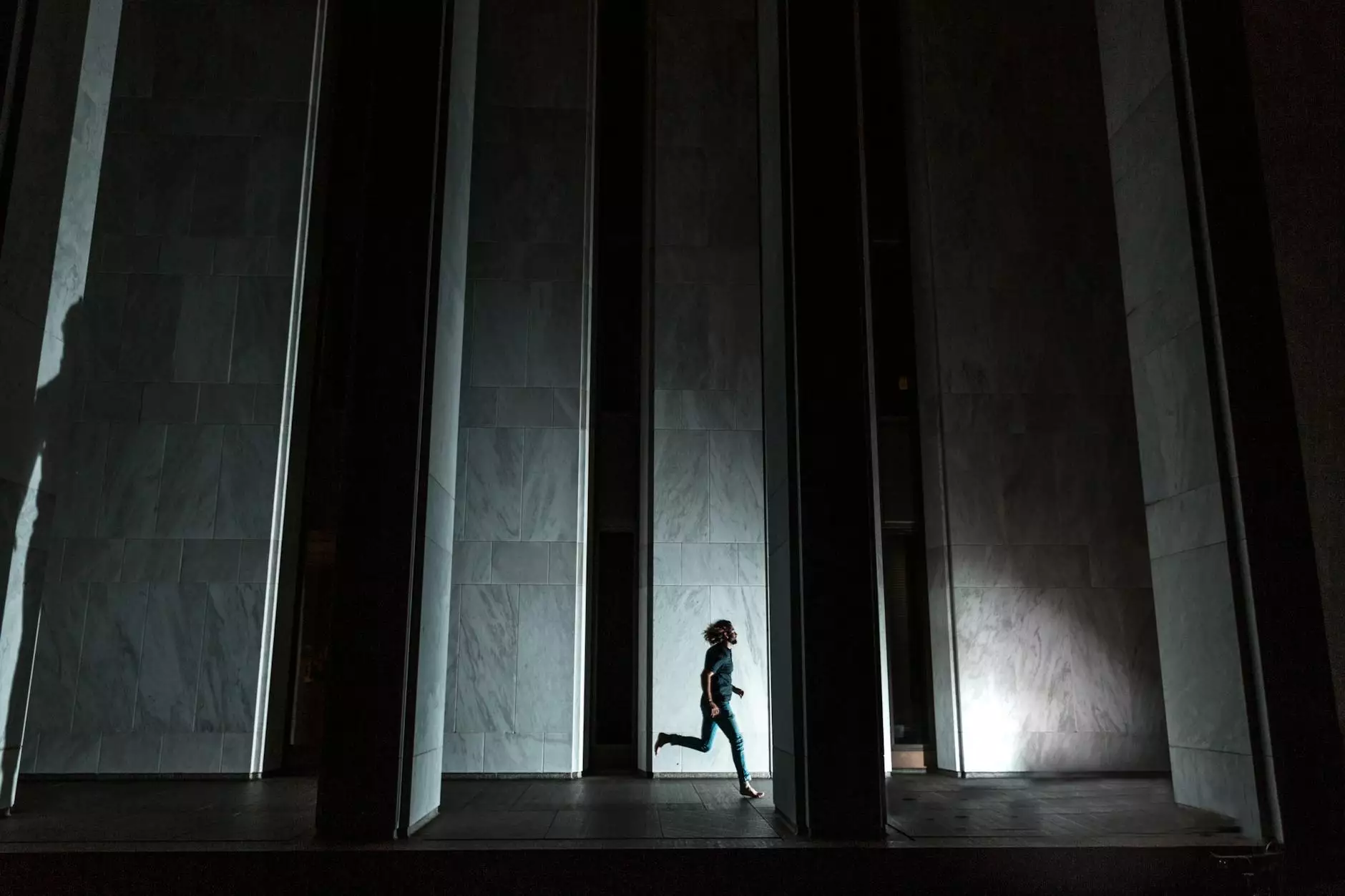
In the ever-evolving world of contemporary art, few categories intrigue and inspire as much as the work of artists who work with light. These visionary creators harness the power of light to explore themes of perception, reality, and the ephemeral nature of existence. Through innovative techniques and compelling narratives, they create experiences that captivate audiences and transform spaces.
The Fascinating History of Light as a Medium
The use of light in art is not a modern invention. Historically, artists have utilized natural light to enhance their work, but the 20th century saw a significant shift in how light itself became a central medium.
- Impressionism: Artists like Claude Monet experimented with natural light, capturing its fleeting effects on landscapes and subjects.
- Light Installations: In the latter half of the 20th century, artists began using artificial light, resulting in immersive environments that engaged audiences in new ways.
- Digital Art: The advent of digital technology has allowed artists to manipulate light in previously unimaginable ways, expanding the boundaries of traditional practices.
Notable Artists Who Work with Light
Many talented individuals have made significant contributions to the field of light-based art. Here are a few remarkable artists who work with light:
- James Turrell: Renowned for his light installations, Turrell creates environments that challenge viewers' perceptions of light and space, often using natural light in unique ways.
- Olafur Eliasson: This Danish-Icelandic artist incorporates light into his installations, combining social themes with visual experiences that encourage viewers to reflect on their surroundings.
- Dan Flavin: Known for his minimalist works using fluorescent light fixtures, Flavin's art highlights both the material and ethereal qualities of light.
- Grimanesa Amorós: An artist who merges light, technology, and nature, her installations explore the harmony between light and community, often reflecting cultural narratives and ecological themes.
The Techniques of Light Artists
Artists who work with light employ a variety of techniques to create their works. These methods often blend traditional artistry with modern technology, resulting in stunning visual experiences.
1. Projection Mapping
Projection mapping is a technique that transforms objects, usually stationary, into dynamic video displays. This method allows artists who work with light to create immersive environments that respond to and interact with viewers.
2. Laser Art
Using lasers, these artists create sharp, vivid light structures that often pulse and change with sound or movement. This technology allows for incredibly detailed and precise artwork.
3. Light Sculptures
Light sculptures integrate three-dimensional objects with light, creating manifestations that can be ephemeral or permanent, blending shadow and light to craft unique visual tales.
Creating Immersive Experiences with Light
The ability of light to alter the atmosphere of a space is profound. Artists who work with light understand that their installations can transform moods and perceptions. Here are several ways light art can create immersive experiences:
- Engaging the Senses: Light art can evoke emotional responses through its colors and movements, enhancing viewers' sensory experiences.
- Creating Space: By manipulating light, artists can alter a viewer's perception of space, making areas feel larger or more intimate based on their design.
- Storytelling: Many installations tell a story or convey a concept, drawing audiences in and prompting them to interact with the artwork on a deeper level.
The Impact of Light Art on Society
Light art is not merely a visual spectacle; it has profound social implications. Artists who work with light often address significant themes related to societal issues:
1. Community Engagement
Many installations are designed to engage local communities or reflect cultural narratives. Artists like Grimanesa Amorós often create works that resonate with the demographic and historical context of their locations.
2. Environmental Awareness
Light artists also bring attention to environmental concerns, using sustainable technologies and themes that promote ecological awareness. Through their work, they inspire viewers to consider their relationship with the environment.
3. The Nature of Perception
By challenging perceptions of reality, these artists invite observers to reconsider their understanding of the world around them. The interplay of shadow and light can offer profound insights into human perception and cognition.
The Future of Light Art
As technology continues to evolve, the possibilities for artists who work with light are expanding rapidly. Innovations in projection technology, augmented reality, and interactive design are set to redefine the boundaries of light art. We can anticipate exciting new directions:
- Augmented Reality: Incorporating AR technologies can provide dynamic experiences that allow viewers to interact with light in ways that were previously unimaginable.
- Interactive Installations: Future works may increasingly engage audiences through participation, responding to movement or touch, creating unique experiences for each viewer.
- Environmental Sustainability: As concerns for the planet grow, artists may embrace eco-friendly materials and methods, creating works that respect and highlight environmentalism.
Conclusion: The Transformative Power of Light in Art
The realm of artists who work with light is both captivating and crucial in understanding contemporary culture. By transcending traditional boundaries and employing innovative techniques, these artists create transformative experiences that engage and enlighten. As we continue to explore the myriad ways in which light can be harnessed in art, we uncover deeper connections to ourselves, our communities, and the world at large.
As a testament to creativity and a bridge between technology and art, the work of light artists like Grimanesa Amorós encourages us to see the world anew, illuminating the potential of light to shape our experiences and perceptions.
Artist whom work with light