Understanding Fire Wood Briquettes: The Future of Eco-Friendly Heating
In an age where sustainability and environmental consciousness are more important than ever, various alternatives to traditional heating methods have come into the spotlight. One such alternative that has gained notable recognition is fire wood briquettes. These eco-friendly units of energy provide a plethora of benefits for both consumers and the environment alike. This article will delve into everything you need to know about fire wood briquettes, covering their production process, advantages, uses, and why they should be your go-to option for efficient heating solutions.
What Are Fire Wood Briquettes?
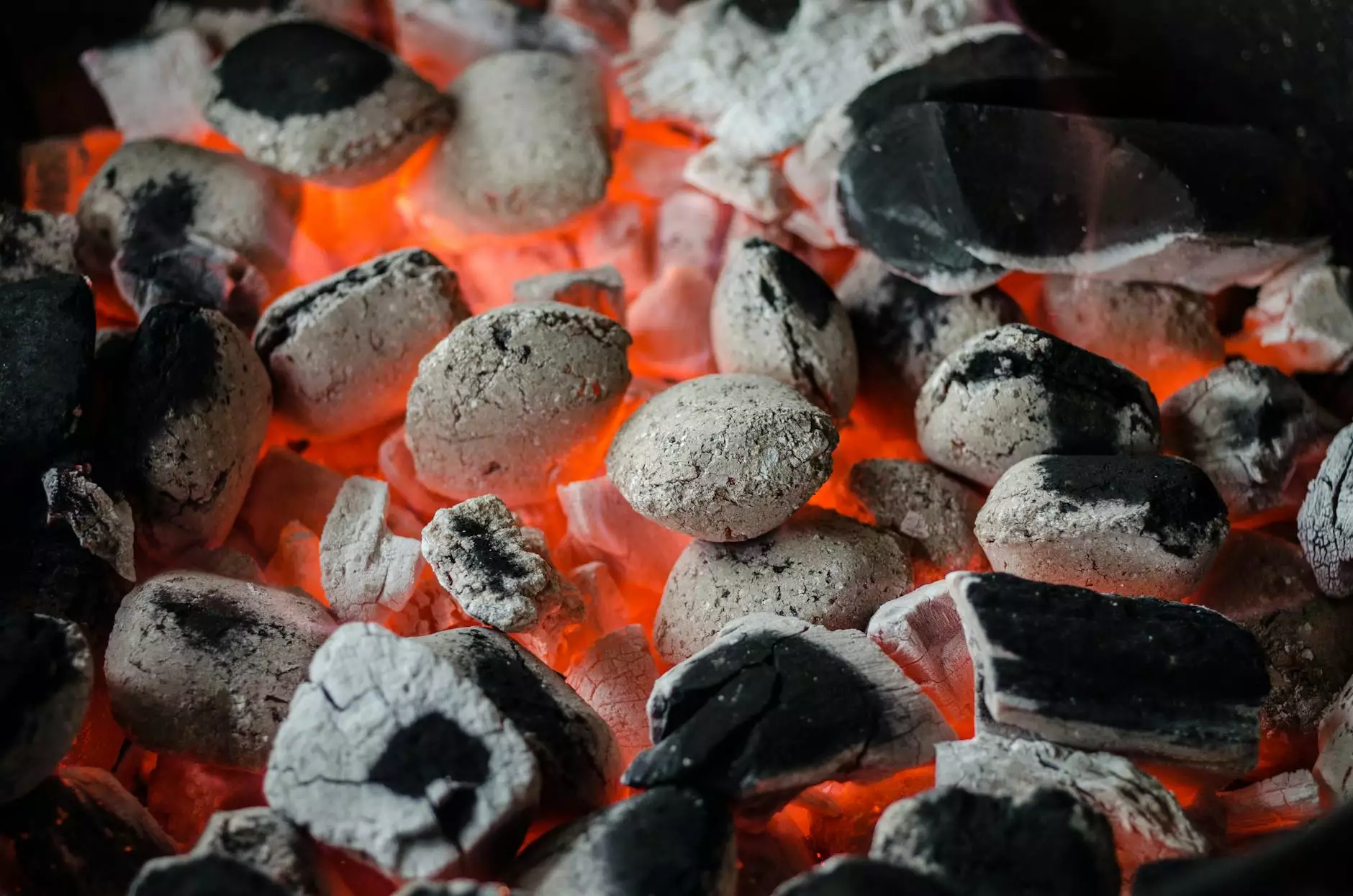
Fire wood briquettes are compressed blocks made from natural wood waste, sawdust, and other organic materials. They are designed as an eco-friendly substitute for traditional firewood and are used for heating, cooking, and even as a sustainable fuel source for industrial applications. The manufacturing process involves applying heat and pressure to wood fibers, creating a dense product that burns efficiently with high calorific value.
Benefits of Using Fire Wood Briquettes
The benefits of fire wood briquettes extend beyond just their efficient heating capabilities. Here are some key advantages:
- Eco-Friendly: Made primarily from recycled wood waste, they contribute to reducing deforestation.
- High Calorific Value: Briquettes have a higher energy content compared to traditional logs, meaning that they produce more heat per unit.
- Easy Storage: Their uniform size allows for efficient storage and handling, thus saving space.
- Low Moisture Content: Properly produced briquettes contain less moisture than conventional wood, leading to a hotter and cleaner burn.
- Reduced Smoke Emission: They contribute to a lower smoke output, promoting better air quality.
- Cost-Effective: Over time, using briquettes can lead to significant savings on heating bills.
How Are Fire Wood Briquettes Made?
The manufacturing process of fire wood briquettes is relatively straightforward yet highly efficient. Here’s a breakdown of the steps involved:
- Material Sourcing: Wood waste products such as sawdust, wood shavings, and agricultural residues are collected.
- Drying: The moisture content of the wood is reduced to less than 10%, enhancing combustion efficiency.
- Grinding: The dried material is finely ground to ensure uniformity and enhance bonding during compression.
- Compression: The fine wood powder is subjected to high pressure in a briquette press, where it is compacted into solid blocks without the use of chemical adhesives.
- Cooling and Packaging: The briquettes are cooled, then packaged for distribution, ensuring they maintain their shape and quality.
Types of Fire Wood Briquettes
There are several types of fire wood briquettes, each catering to different needs and preferences. Understanding the distinctions can help you select the right one for your purposes.
1. Wooden Briquettes
These are made solely from wood waste. They are ideal for traditional stove burning and open fires, providing a cozy ambiance in homes.
2. Biomass Briquettes
Made from a combination of different biomass materials, including agricultural waste, these briquettes are great for both heating and industrial applications, offering a versatile energy source.
3. Charcoal Briquettes
Composed primarily of carbonized wood, they are perfect for grilling and barbecuing due to their high heat output and long burn time.
How to Use Fire Wood Briquettes
Using fire wood briquettes is both simple and effective. Here are some steps to maximize their efficiency:
1. Prepare Your Fire Pit or Stove
Ensure your fireplace or stove is clean and ready for use, creating a safe environment for burning.
2. Arrange the Briquettes
Place the briquettes in a crisscross pattern to allow for maximum airflow, ensuring efficient combustion.
3. Ignite the Fire
Use fire starters or kindling to ignite the briquettes. They will need some time to reach optimal burning