The Rise of Cannabinoid Drugs in Pharmacy and Alternative Medicine
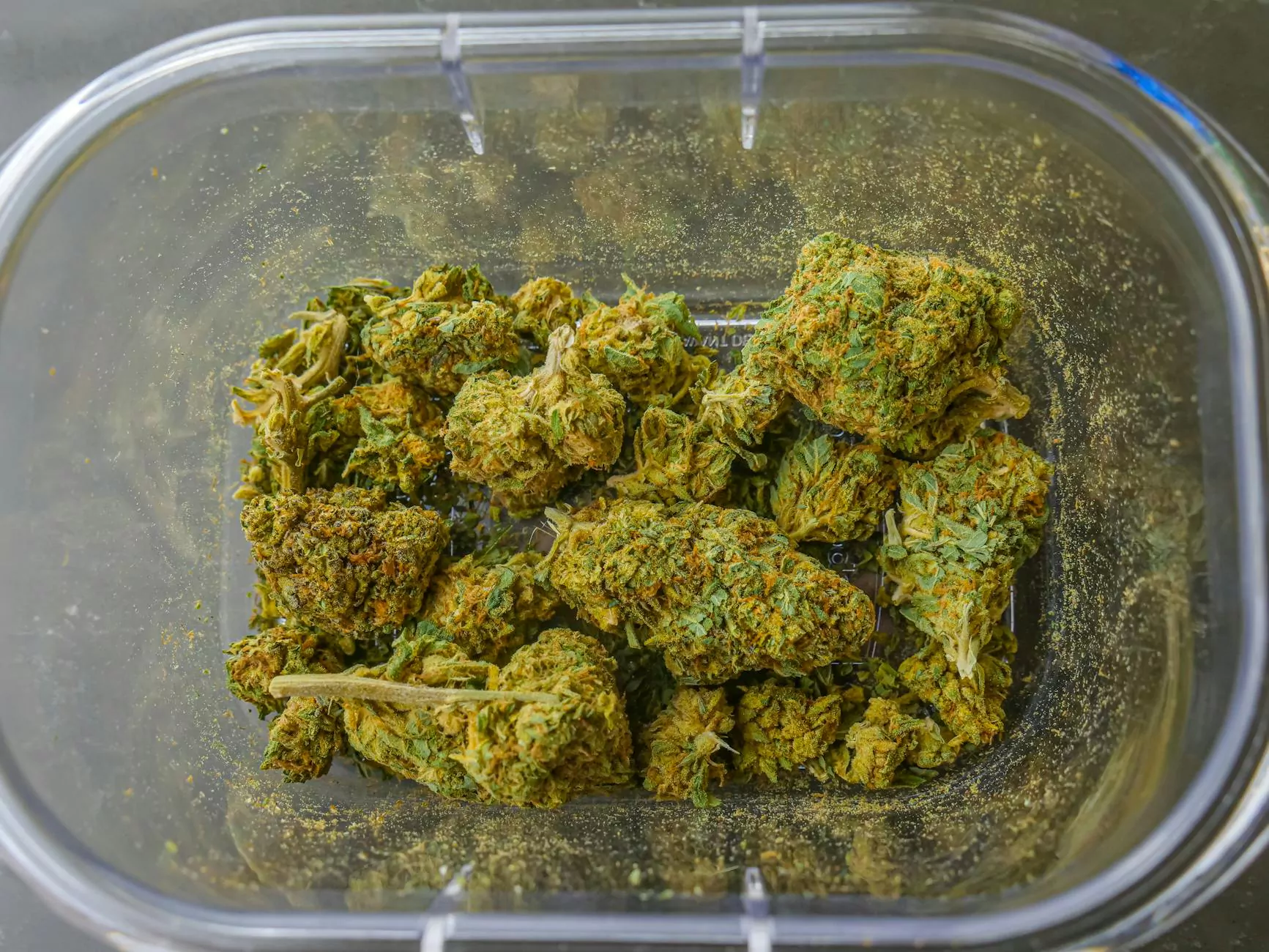
The landscape of healthcare is continuously evolving, with new treatments and therapies emerging to address patient needs. Among these developments, cannabinoid drugs have garnered significant attention for their potential benefits in both traditional pharmacy and alternative medicine. This article explores the important roles that these revolutionary compounds play in modern medicine, their applications, and their impact on patient care.
Understanding Cannabinoids
Cannabinoids are chemicals found in the cannabis plant, primarily known for their interaction with the body’s endocannabinoid system (ECS). The ECS is crucial for maintaining homeostasis and regulates various physiological processes, including mood, appetite, pain sensation, and immune response. The two most well-known cannabinoids are:
- Tetrahydrocannabinol (THC) – The psychoactive component responsible for the “high” associated with cannabis.
- cannabidiol (CBD) – A non-psychoactive component known for its therapeutic effects.
The Medical Potential of Cannabinoid Drugs
Cannabinoids have shown therapeutic promise in numerous medical conditions. Here are some significant areas where cannabinoid drugs have made an impact:
1. Pain Management
Patients suffering from chronic pain conditions, such as arthritis or fibromyalgia, often seek alternatives to traditional pain relief methods. Studies indicate that cannabinoids may reduce pain and inflammation through their interaction with the ECS. This provides hope for individuals looking for effective, non-opioid pain management solutions.
2. Neurological Disorders
Cannabinoids are also being investigated for their potential to treat neurological disorders, including epilepsy and multiple sclerosis. For instance, the FDA has approved Epidiolex, a CBD-based medication for treating certain forms of epilepsy, demonstrating the clinical efficacy of cannabinoid drugs in managing neurological symptoms.
3. Mental Health Aid
There is a growing interest in the use of cannabinoid drugs for treating anxiety and depression. CBD, in particular, has been studied for its anxiolytic effects, providing relief for patients who may be resistant to conventional antidepressant treatments.
4. Cancer Treatment Support
Cannabinoids have shown potential as adjunctive therapies for cancer patients. They may help alleviate side effects of chemotherapy, such as nausea and appetite loss. Some studies also suggest that cannabinoids might possess anti-tumor properties, opening avenues for future cancer treatments.
Pharmacy vs. Alternative Medicine: The Role of Cannabinoids
The incorporation of cannabinoid drugs into pharmacy and alternative medicine reflects a societal shift toward holistic and patient-centered care. Here’s a closer look at how each field is embracing cannabinoids:
Pharmacy
In the realm of pharmacy, conventional pharmaceutical companies are beginning to recognize the value of cannabinoid-based treatments. This shift leads to:
- Research and Development: Pharmaceutical companies are investing in research to develop standardized cannabinoid formulations that can be prescribed alongside conventional medications.
- Training for Pharmacists: There is a growing emphasis on educating pharmacists about cannabinoid drugs so they can provide informed guidance to patients.
- Regulation and Safety: As cannabinoid drugs become more mainstream, regulatory frameworks are evolving to ensure safety, quality, and efficacy.
Alternative Medicine
On the other hand, alternative medicine practitioners have long utilized cannabis for its medicinal properties. They often emphasize the benefits of whole-plant therapies, leading to:
- Holistic Approaches: Alternative medicine emphasizes treating the individual as a whole, which aligns with how cannabinoids can support overall wellness.
- Patient Empowerment: Patients often have more agency in alternative medicine settings, allowing them to experiment with cannabinoid therapies based on personal experiences.
- Integrative Therapies: Many practitioners combine cannabinoids with other natural therapies, enhancing the overall treatment approach.
The Future of Cannabinoid Drugs
As research continues to unfold, the future of cannabinoid drugs looks promising. Several trends are emerging that could shape their application in both pharmacy and alternative medicine:
1. Increased Research Funding
As the stigma surrounding cannabis diminishes, funding for cannabinoid research is expected to increase. This will pave the way for a better understanding of the full spectrum of cannabinoid effects, leading to innovative therapeutic applications.
2. Personalized Medicine
With advances in genetic research and biomarker discovery, the future may see more personalized cannabinoid therapies. Tailoring treatment to an individual’s genetic makeup can optimize efficacy and minimize adverse effects.
3. Expansion of Legalization
As more regions move to legalize cannabis for medical and recreational use, access to cannabinoid drugs will expand. This increased accessibility will likely contribute to greater consumer awareness and acceptance of cannabinoid therapies.
4. Education and Awareness
Both healthcare professionals and patients will require educational resources to understand cannabinoid drugs' benefits, risks, and appropriate use. Establishing educational programs will empower practitioners to integrate these therapies in medical practice.
Conclusion
In conclusion, the rise of cannabinoid drugs in pharmacy and alternative medicine represents a significant shift in how we approach healthcare. With their growing acceptance, ongoing research, and potential for integrating with traditional therapies, cannabinoids have the power to transform patient care. As we move forward, collaboration between the pharmaceutical industry, alternative medicine practitioners, and researchers will be essential to harness the full potential of cannabinoid therapies, ensuring safe and effective treatment options for patients worldwide.
FAQs About Cannabinoid Drugs
What are cannabinoid drugs?
Cannabinoid drugs are compounds derived from the cannabis plant that interact with the body’s endocannabinoid system, offering potential therapeutic benefits for various medical conditions.
Are cannabinoid drugs safe?
While many cannabinoid drugs have shown promise, safety depends on several factors including dosage, individual health conditions, and potential interactions with other medications. Consulting healthcare professionals is essential.
How can I access cannabinoid drugs?
Access to cannabinoid drugs varies by region and depends on legal regulations. In legalized areas, they may be obtained through licensed dispensaries or by prescription from healthcare providers.
Can I use cannabinoid drugs alongside other medications?
Combining cannabinoid drugs with other medications should always be done under medical supervision to avoid potential interactions. Your healthcare provider can guide the safest approach.
As the domain of bestonlinechemical.com continues to evolve, embracing cannabinoid therapies within its offerings could lead to enhanced service and patient satisfaction. By focusing on the therapeutic potential of cannabinoids, both pharmacy and alternative medicine can collaborate towards a more effective healthcare system.