Exploring the Landscape of UK Game Developers
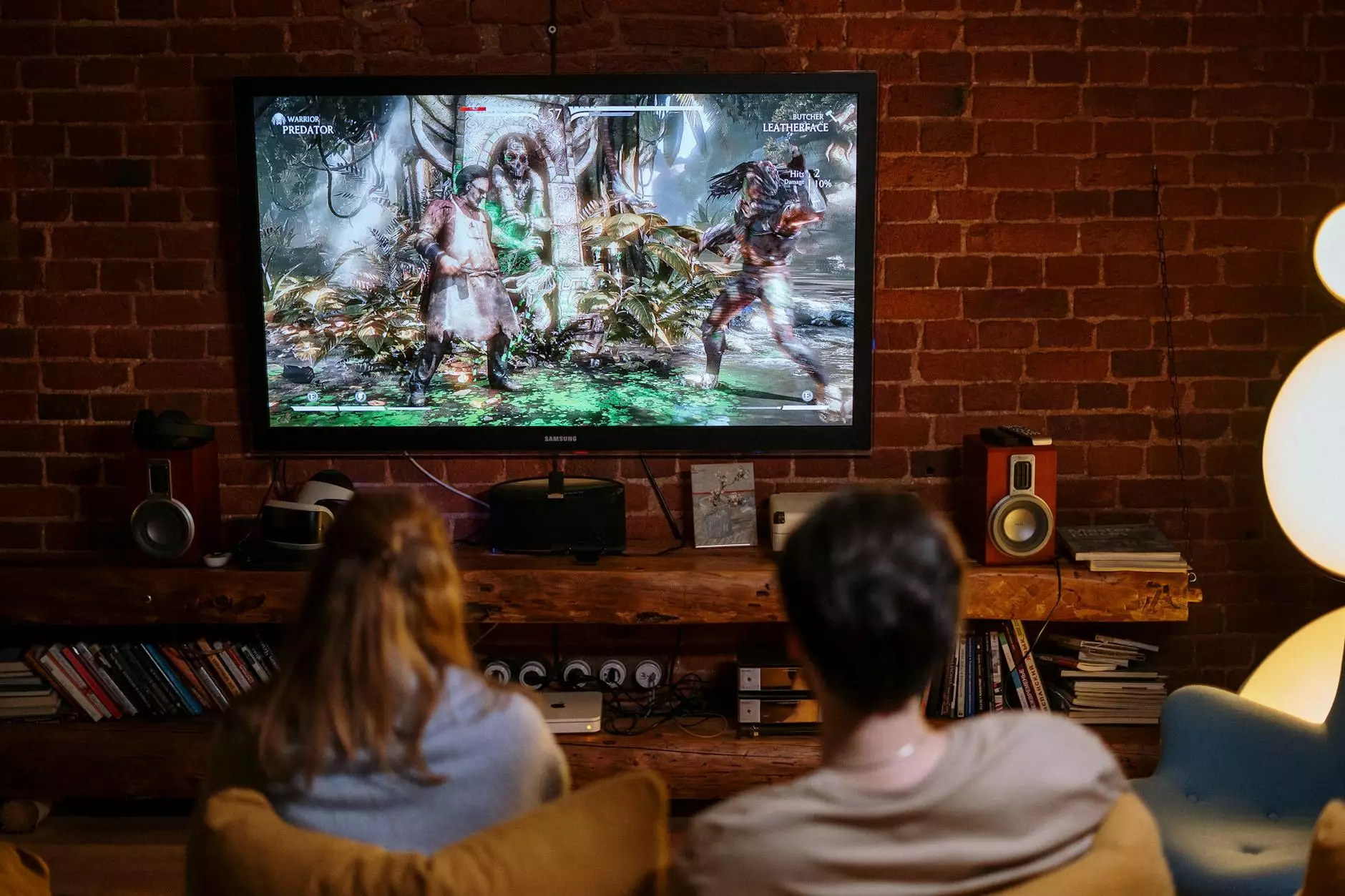
The video game industry in the United Kingdom is a vibrant and dynamic segment of the global entertainment market. Renowned for its creativity, technical prowess, and diverse talent pool, the UK has emerged as a crucial hub for game development. With a rich history dating back decades, UK game developers are at the forefront of innovation, design, and storytelling in the gaming world. In this article, we will delve into the various aspects of UK game developers, including their contributions to art galleries, graphic design, and the advancement of 3D printing technologies.
The Rich Heritage of UK Game Development
The journey of game development in the UK began in the late 1970s and early 1980s, with the introduction of early personal computers and arcade games. Classic titles like "Manic Miner" and "Elite" paved the way for a thriving development culture. Today, the legacies of these early games influence modern development practices in UK game studios.
The Thriving Community of UK Game Developers
UK game developers create a wide array of games, from simple mobile applications to complex AAA titles. The community has seen exponential growth, leading to a variety of development studios that cater to different genres and platforms. Some aspects of this community include:
- Indie Game Development: Small, independent studios and individual developers have gained prominence, often producing unique and innovative titles that challenge conventional norms.
- Triple-A Studios: Large studios such as Rocksteady and Codemasters invest heavily in resources to develop high-quality games that achieve commercial success.
- Educational Institutions: Renowned universities offer specialized courses in game design and development, nurturing the next generation of talent.
The Importance of Art in Game Development
One of the standout features of games produced by UK game developers is the emphasis on art and design. The visual aspects of a game play a pivotal role in shaping the player's experience and immersing them in the game's world. Art galleries often collaborate with developers to showcase visual exhibits inspired by popular games. Some aspects of art integration include:
Art Galleries and Game Exhibitions
Art galleries across the UK have begun to embrace video games as a legitimate form of artistic expression. Events such as:
- The Barbican Centre: Regularly hosts exhibitions showcasing the intersection of art and video games, providing a platform for developers to present their work.
- The V&A Museum: Features exhibitions dedicated to the history and artistry of video games, illustrating their cultural significance.
Graphic Design in Gaming
Graphic design significantly influences user interaction and game mechanics. UK-based graphic designers work closely with developers to create:
- User Interfaces (UI): Intuitive and aesthetically pleasing UI designs enhance user experience and accessibility.
- Character Design: Unique and memorable character designs are essential for storytelling and brand identity.
- Marketing Materials: Game trailers, posters, and promotional images are crafted by graphic designers to attract the target audience effectively.
3D Printing: The Future of Game Development
3D printing is revolutionizing various industries, including gaming. UK game developers are exploring 3D printing technologies to enhance game and merchandise production. Some applications of 3D printing in gaming include:
- Character Models: Developers can create detailed 3D models of game characters for promotion, collectors’ items, or in-game assets.
- Prototype Development: 3D printing allows developers to produce tangible prototypes of game concepts quickly, facilitating faster design iterations.
- Custom Merchandise: Game-related merchandise can be produced with grassroots campaigns, allowing fans to own unique collectibles from their favorite titles.
Celebrating Diversity in UK Game Development
Diversity is an integral aspect of the UK game development culture. The UK has one of the most varied pools of talent, with developers from diverse backgrounds coming together to create innovative games. Inclusivity fosters greater creativity and an array of perspectives, enhancing the gaming experience.
Representation in Games
Many developers are focusing on representation in their games, which allows players to see themselves in the characters and stories they encounter. This trend fuels a more profound connection to the game, enhancing its emotional impact. Games like "Heavenly Sword" and "Life is Strange" push the boundaries of narrative and character representation.
Collaborative Projects
Collaborations between studios, artists, and community creators have become commonplace. By bringing together diverse talents, UK game developers can produce rich narratives and stunning visuals that push the medium forward.
The Economic Impact of UK Game Developers
The economic contribution of UK game developers is substantial, contributing billions to the national economy. The industry supports thousands of jobs, from programmers to voice actors. Additionally, it has a positive ripple effect on numerous related sectors.
Job Creation and Employment
As the gaming industry expands, it provides various employment opportunities, including:
- Programmers: Skilled professionals who write the code that powers the games.
- Artists: Talented individuals who design characters, environments, and other visual elements.
- Marketing Specialists: Professionals who create campaigns to promote games and engage the target audience.
Benefits to Local Economies
Many cities in the UK have become hotspots for gaming companies, leading to increased local investment. This influx supports:
- Local Businesses: Restaurants, shops, and service providers benefit from the increased foot traffic from gaming professionals and enthusiasts.
- Events and Conferences: Festivals and conferences attract visitors and professionals from around the globe, showcasing local talent and opportunities.
The Future of UK Game Development
As we look to the future, UK game developers are set to continue pushing the boundaries of technology and creativity. With advancements in:
- Virtual Reality (VR): VR is set to redefine how players interact with games, creating immersive experiences unparalleled in gaming history.
- Artificial Intelligence (AI): AI-driven narratives and characters can bring more dynamic and reactive gameplay elements, creating unique experiences every time a game is played.
- Mobile Gaming: As smartphones become even more powerful, mobile gaming is expected to grow, enabling more developers to enter the market and reach a broader audience.
Conclusion
The UK is a formidable player in the global gaming industry, with its developers demonstrating unwavering creativity and innovation. From contributions to art galleries and advancements in graphic design to the exploration of 3D printing technologies, UK game developers are shaping the future of gaming. As they continue to diversify their approaches and engage with global trends, the UK gaming landscape promises to be thrilling, dynamic, and rich with opportunities. With such momentum, it’s evident that the future is bright for the uk game developers and the entire gaming ecosystem they inhabit.