The Illuminating World of Art Using Light
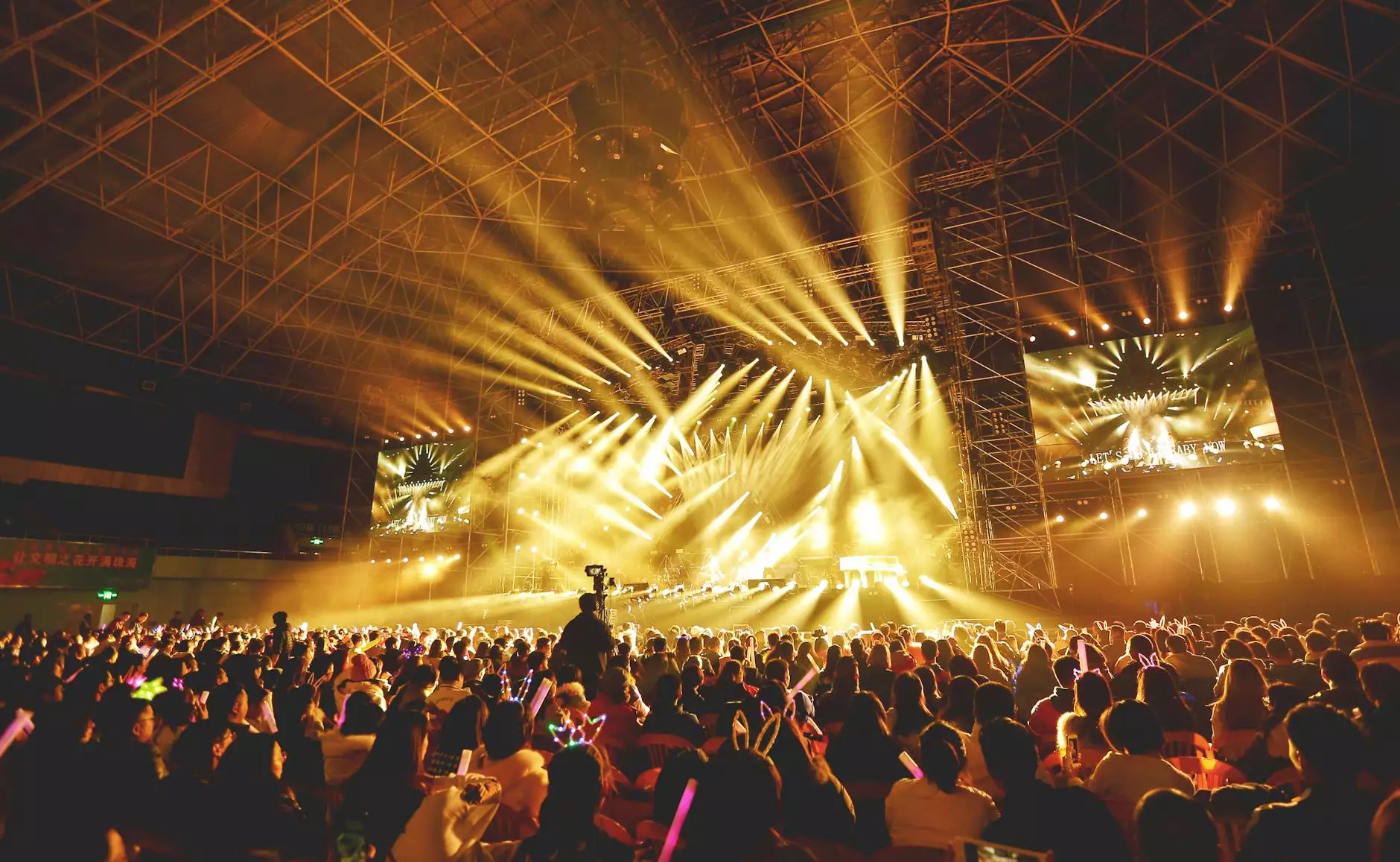
Art is an ever-evolving expression of human experience, constantly redefining itself through innovative mediums and techniques. One of the most captivating manifestations of artistic expression today is art using light. This dynamic form of art transcends traditional boundaries, weaving together creativity, technology, and emotional resonance. In this article, we will explore the profound significance of this emerging art form, its main techniques, and the artists making waves in the world of light art.
Understanding the Essence of Art Using Light
Art using light encompasses a wide array of artistic expressions that utilize light as a primary medium. This form of art can be both two-dimensional and three-dimensional, incorporating elements such as projections, installations, and interactive displays. The core idea is to manipulate light to evoke emotions, provoke thought, and create immersive experiences for audiences.
The Historical Context of Light in Art
The use of light in art is not a novel concept. Historically, artists have explored the interplay of light and shadow, particularly during the Renaissance period. Yet, it was only in the late 20th century that artists began utilizing technology to harness light itself as an artistic medium. This shift has led to the birth of numerous installations and performances that redefine how we perceive art.
Key Techniques in Art Using Light
As the genre of art using light has developed, several techniques have emerged, each offering unique possibilities for artists:
- Projection Mapping: This technique involves projecting images onto non-uniform surfaces, transforming ordinary objects into spectacular visual displays. Through careful alignment and creative design, artists create illusions that blend the physical and digital worlds.
- Neon Art: Artists use illuminated neon tubes to create vibrant signage and art pieces that evoke nostalgia and personality. The bright colors and distinctive glow have made neon a staple in contemporary art.
- Light Installations: These are permanent or temporary installations crafted with artificial lighting, often designed to interact with a specific environment. From large-scale public art displays to intimate gallery pieces, light installations engage viewers with their immersive nature.
- Interactive Light Art: This form invites audience participation, allowing viewers to influence the light through movement, sound, or touch. Such interactivity elevates the experience from passive observation to active engagement.
Notable Artists Pioneering Art Using Light
Several contemporary artists have made significant contributions to the genre of art using light, pushing the boundaries of creativity and technology:
James Turrell
Renowned for his immersive light installations, James Turrell manipulates light and space to alter perceptions of reality. His works, such as the iconic Roden Crater project, transform the viewer's experience, blurring the lines between reality and illusion.
Olafur Eliasson
With a focus on climate change and human interaction, Olafur Eliasson creates stunning installations that often incorporate natural elements and light. His piece, The Weather Project, famously filled the Tate Modern's Turbine Hall with an artificial sun, prompting reflection on humanity's place within nature.
Dan Flavin
Dan Flavin is celebrated for his innovative use of fluorescent light. His meticulously arranged light fixtures challenge perceptions of space and color, transforming gallery environments into radiant experiences that alter our understanding of architecture.
Grimanesa Amorós
Grimanesa Amorós is an artist with a unique flair for integrating light into her sculptures. Her work often explores themes of culture and identity, utilizing art using light to create stunning pieces that engage and provoke thought. Her installations have been showcased internationally, leaving audiences in awe of her vision and craftsmanship.
The Impact of Art Using Light in Society
The significance of art using light extends beyond aesthetic appeal. This genre has a profound impact on society, influencing everything from urban design to environmental awareness:
- Urban Revitalization: Light installations are increasingly used in public spaces to enhance urban environments, making them more inviting and enriching the communal experience.
- Promoting Sustainability: Many contemporary light artists focus on themes of sustainability, addressing climate change and advocating for a more conscientious approach to our environment through their works.
- Emotional Engagement: Light art can provoke deep emotional responses, creating connections between audiences and the themes explored in the artwork, facilitating discussions on social and cultural issues.
Conclusion: The Future of Art Using Light
As we advance into the future, the potential for art using light is boundless. With the continuous evolution of technology, artists have unprecedented opportunities to innovate and redefine boundaries. The merging of light and art creates a powerful medium through which complex narratives can be expressed, allowing for unparalleled engagement with audiences worldwide.
Ultimately, art using light symbolizes a new era of artistic expression. It invites us to experience art in ways we’ve never imagined, reshaping our world through light and creativity, and ensuring that this captivating form of art will illuminate both galleries and hearts for generations to come.
Explore More at Grimanesa Amorós
To delve deeper into the illuminating world of art using light, be sure to explore the works and exhibitions of Grimanesa Amorós. Discover how she brings her unique perspective to contemporary light art, creating experiences that resonate with audiences around the globe.