Embracing the Magic: Art Using Light
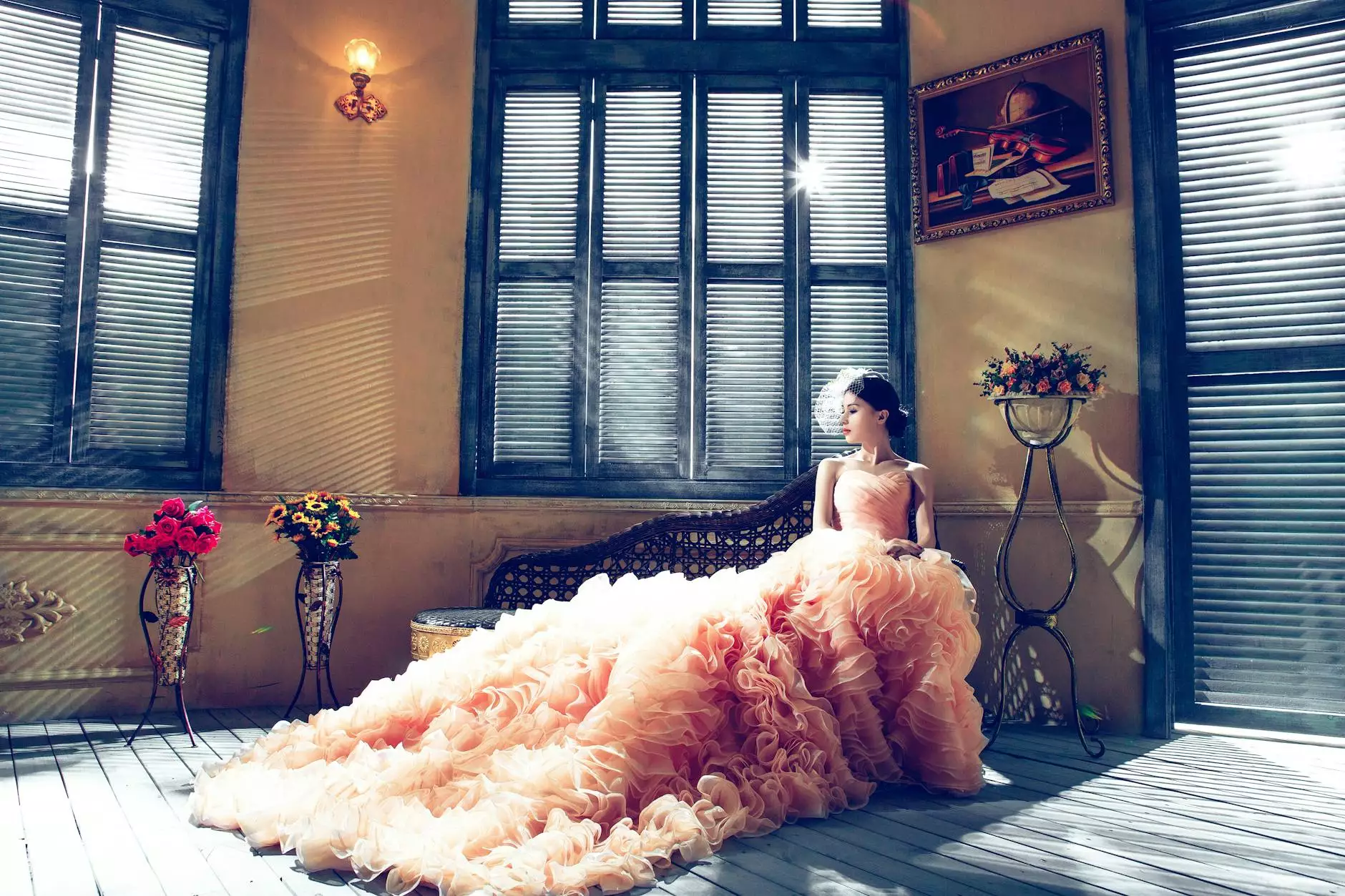
Art has always been a medium of expression, emotion, and innovation. Among the various forms of artistic expression, art using light stands out as a unique and compelling way to illuminate ideas and evoke feelings. In this article, we'll delve deep into the world of light art, exploring its history, techniques, notable artists, and its impact on the contemporary art scene.
The Evolution of Art Using Light
The journey of art using light is intertwined with the advancement of technology and creative expressions. It has witnessed a dynamic transformation over the decades:
- Historical Foundations: The exploration of light as an artistic medium dates back to the early use of candles and oil lamps in religious and ceremonial contexts.
- 20th Century Innovations: The advent of neon lights and electric displays revolutionized how artists approach light.
- Contemporary Experiments: Today, digital technologies such as LEDs, projection mapping, and interactive installations have opened new frontiers for creativity.
Understanding the Techniques Behind Light Art
Creating remarkable art using light requires both skill and innovation. Artists employ a variety of techniques to manipulate light and create captivating experiences:
1. Projection Mapping
Projection mapping is a process of using projectors to display images or videos onto irregularly shaped surfaces. This technique can transform ordinary objects into dynamic displays of light, changing the viewer's perception entirely. Artists utilize this technique to create immersive environments that engage audiences.
2. Light Sculpture
Light sculptures are three-dimensional works that incorporate light as a primary element. These sculptures can be made from various materials, including glass, metal, and synthetic materials, all designed to interact with light in unique ways. The magic of these sculptures lies in their ability to shift and change as light changes.
3. Interactive Installations
With advancements in technology, modern artists are able to create installations that respond to viewer interaction. Sensors can detect movement and change the light patterns accordingly, inviting observers to become a part of the artwork. This engagement enhances the overall experience and adds a personal touch.
4. Light as a Narrative Tool
Artists can harness light to tell stories and convey emotions. By manipulating brightness, color, and shadow, they can evoke feelings of joy, melancholy, or contemplation, creating narratives that resonate deeply with viewers.
Notable Artists Pioneering Art Using Light
Throughout history, several artists have made significant contributions to the field of art using light. Here are a few pioneers worth mentioning:
- James Turrell: Famous for his installations that explore light and space, Turrell creates immersive environments that challenge perception.
- Dan Flavin: A minimalistic artist known for his usage of fluorescent light fixtures to create vibrant, colorful installations that interact with their surroundings.
- Olafur Eliasson: Eliasson’s work often includes natural elements and light phenomena, encouraging viewers to think about their relationship with the environment.
The Impact of Art Using Light on Contemporary Culture
The influence of art using light extends beyond galleries and exhibitions; it resonates through various aspects of contemporary society:
1. Urban Art and Public Installations
Cityscapes are increasingly adorned with light art. Public installations illuminate urban spaces, enhancing cultural vibrancy and attracting tourism. Art festivals that highlight light installations, such as the Festival of Lights in Berlin, draw thousands of visitors every year, showcasing the profound connection between art and community.
2. Digital Art Galleries
In the digital age, many galleries have begun to embrace art using light through virtual exhibits and augmented reality. Artists use technology to bring their work to life, allowing viewers to experience art from anywhere in the world.
3. Emotional Resonance
Light art has the unique power to evoke strong emotions in viewers. The interplay of light and shadow, color and intensity can create an atmosphere that resonates on a personal level, making the experience of art more intimate and engaging.
Integrating Art Using Light in Everyday Life
As we navigate a world increasingly influenced by technology and visual culture, integrating art using light into our daily lives can enhance our environments and uplift our spirits. Here are some ways to incorporate these artistic principles:
- Home Decor: Use colored LED lights or light fixtures to create ambiance in your living spaces. Experiment with different lighting techniques to highlight architectural features.
- Art Installations: Consider featuring light art pieces in corporate spaces, restaurants, or exhibitions to enhance the visual experience.
- Interactive Experiences: Host events that allow participants to create their own light art, promoting community engagement and creative expression.
The Future of Art Using Light
Looking ahead, the future of art using light is undoubtedly bright. As technology evolves, artists will continue to push boundaries and explore new dimensions of expression. Some emerging trends include:
1. Sustainable Lighting Solutions
As environmental awareness grows, artists are increasingly incorporating sustainable materials and eco-friendly light sources into their work. The focus on using renewable energy and minimizing waste is becoming a hallmark of contemporary light art.
2. Virtual Reality and Augmented Reality
With the rise of virtual reality (VR) and augmented reality (AR), artists are finding innovative ways to merge light art with digital experiences. This creates immersive galleries that are only limited by imagination and technology.
3. Collaborations Across Disciplines
Artists are increasingly collaborating with technologists, architects, and designers, leading to innovative works that blend different art forms. These interdisciplinary approaches not only enrich the art but also elevate the viewer's experience.
Conclusion: Witnessing the Beauty of Art Using Light
Art using light serves as a powerful testament to human creativity and innovation. It illuminates our world in ways that challenge our perceptions, evoking emotions and creating connections. As we appreciate this magnificent art form, let us recognize the artists who tirelessly push boundaries to create experiences that transform how we engage with both art and the environment.
In visiting galleries or simply observing the everyday light illuminating our surroundings, we can find the beauty in art using light and allow it to inspire us in our own lives. Whether through a breathtaking installation or a simple play of shadows on a wall, let us celebrate the profound impact light has on our collective artistic journey.