The Essential Role of MRI Service Engineers in the Healthcare Industry
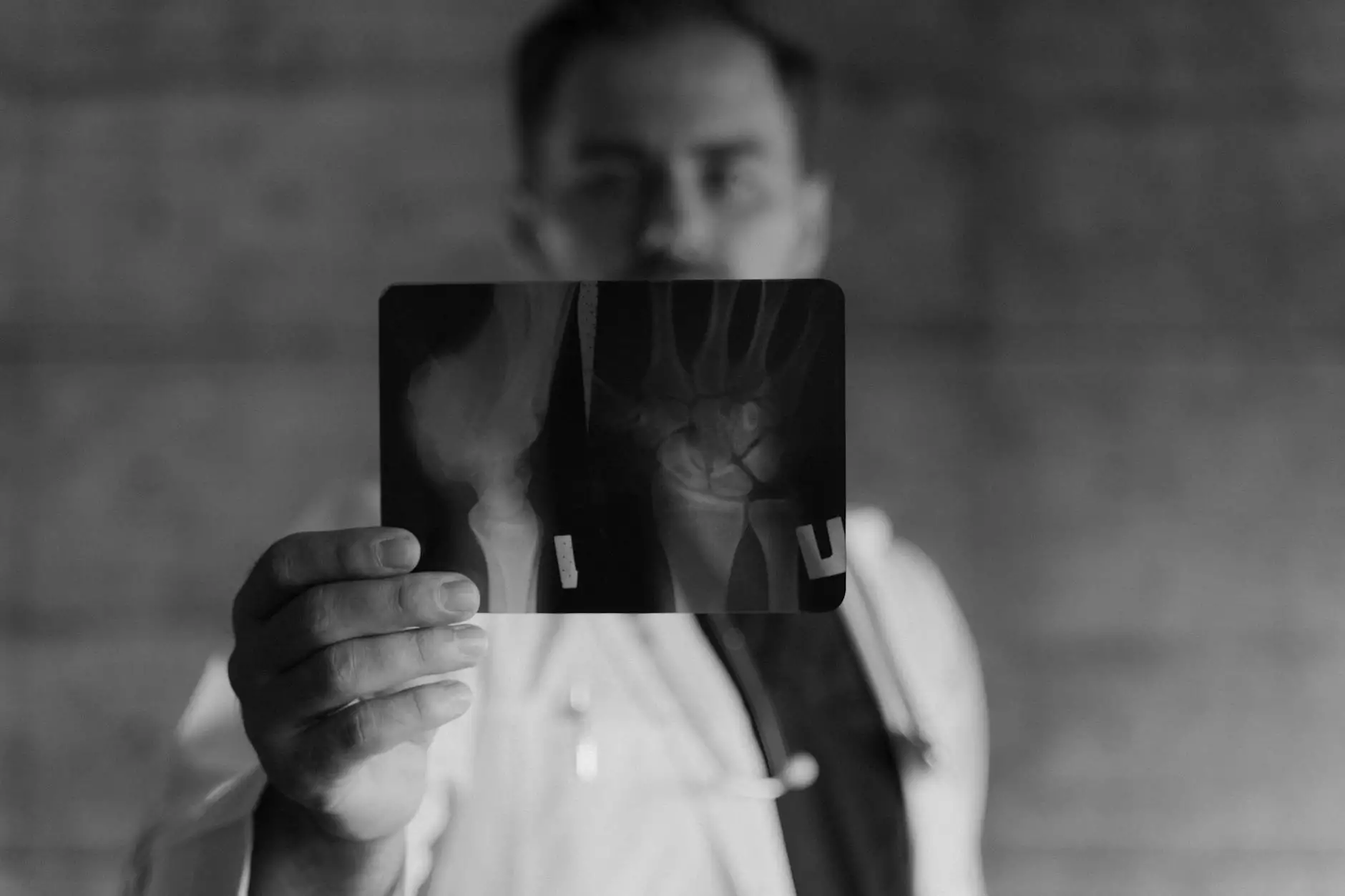
In the evolving landscape of healthcare, the significance of diagnostic imaging cannot be overstated. One of the critical players in this domain is the MRI service engineer, whose expertise ensures the effective functioning of magnetic resonance imaging systems. The role of MRI service engineers is crucial not only for the efficiency and reliability of MRI scans but also for the safety and comfort of patients undergoing these procedures.
Understanding MRI Technology
Magnetic Resonance Imaging (MRI) is a non-invasive diagnostic tool used widely in medical centers to visualize the internal structures of the body. Utilizing powerful magnets and radio waves, MRI scans provide detailed images critical for diagnosing various medical conditions. The competency of an MRI service engineer directly influences the availability and functionality of MRI systems within health & medical facilities.
What Does an MRI Service Engineer Do?
A competent MRI service engineer is responsible for the repair, maintenance, and calibration of MRI equipment. Their duties encompass several important areas:
- Installation and Setup: Setting up new MRI machines involves rigorous testing and configuration to ensure that all components work harmoniously.
- Maintenance: Routine maintenance checks are vital. Engineers monitor and revise software and hardware settings to maintain compliance and performance.
- Repair Services: In instances of malfunction, MRI service engineers diagnose issues swiftly to restore functionality, reducing downtime that could hinder patient diagnostics.
- Educational Support: Providing training to medical staff on the proper use of MRI systems contributes to enhanced safety and operational efficiency.
- Regulatory Compliance: Engineers ensure that all MRI practices align with regulatory mandates and standards, safeguarding both patients and healthcare facilities.
The Importance of MRI Service Engineers in Healthcare
Without the diligence and expertise of MRI service engineers, healthcare providers could face significant challenges, including:
1. Ensuring Patient Safety
Patient safety is paramount in medical diagnostics. MRI service engineers play a frontline role in maintaining equipment standards that directly affect patient exposure to strong magnetic fields and radiofrequency energy. By regularly calibrating and adjusting MRI settings, they ensure that patients receive scans that are both accurate and safe.
2. Enhancing Diagnostic Accuracy
High-quality MRI scans are essential for accurate diagnoses. The precision with which images are captured relies heavily on the proper functioning of MRI machines. Skilled MRI service engineers implement checks that mitigate artifacts and distortions in imaging, thereby enhancing the overall diagnostic capabilities of healthcare providers.
3. Minimizing Downtime
In a medical facility, every moment counts. Equipment failure can lead to significant delays in patient care. The expertise of a MRI service engineer in swiftly addressing and repairing issues is vital for minimizing equipment downtime, thereby ensuring that patient care remains uninterrupted.
4. Supporting Technological Advances
The field of medical imaging is rapidly advancing, with new technologies constantly emerging. MRI service engineers must stay informed about the latest developments in magnetic resonance technology. This adaptability allows them to implement upgrades and enhancements that improve imaging capabilities, making healthcare services more efficient and effective.
The Skills Required for MRI Service Engineers
To thrive as an effective MRI service engineer, individuals must possess a unique blend of skills, including:
- Technical Competence: A thorough understanding of MRI systems and technology is essential.
- Problem-Solving Skills: The ability to identify and troubleshoot technical issues is imperative.
- Attention to Detail: Precision in equipment handling can significantly influence diagnostic outcomes.
- Communication Skills: Collaborating with healthcare staff requires clear communication when explaining technical details.
- Continuous Learning: Engagement with ongoing education to stay current with technological advancements is crucial.
The Future of MRI Services
As the healthcare landscape changes, the role of MRI service engineers will only grow in importance. Innovations such as AI in diagnostics, portable MRI machines, and enhanced imaging techniques will require specialized skills and knowledge. Those pursuing a career in this field can expect:
1. A Growing Demand for Expertise
With an increasing reliance on advanced imaging techniques, the demand for qualified MRI service engineers is expected to rise. Facilities will look for professionals who can manage complex technologies and ensure optimal functioning.
2. Integration of AI and Machine Learning
Artificial Intelligence is set to play a transformative role in medical imaging. MRI service engineers will need to understand how to incorporate AI-driven tools into their practices, providing enhanced image analysis and interpretation.
3. Opportunities for Specialization
As medical imaging technology continues to evolve, opportunities for specialization in areas such as high-field MRI systems and functional MRI will arise. These specialties will require advanced knowledge and skills, providing further career development opportunities.
Conclusion
The role of an MRI service engineer is indispensable in the modern healthcare framework. Their expertise enhances patient safety, improves diagnostic accuracy, and ensures the smooth operation of essential imaging equipment. As technology progresses, so will the responsibilities and opportunities for these professionals. By investing in continuous education and embracing innovation, MRI service engineers will contribute significantly to the advancement of medical diagnostics and, ultimately, to patient care.
For healthcare facilities seeking reliable services and expertise in the realm of MRI technology, partnering with experienced MRI service engineers is not just a benefit—it's a necessity. With their dedication and proficiency, these professionals enable medical centers to deliver high-quality diagnostic imaging and improved patient outcomes.