Unlocking Business Potential: Harnessing the Power of a Trading Simulator
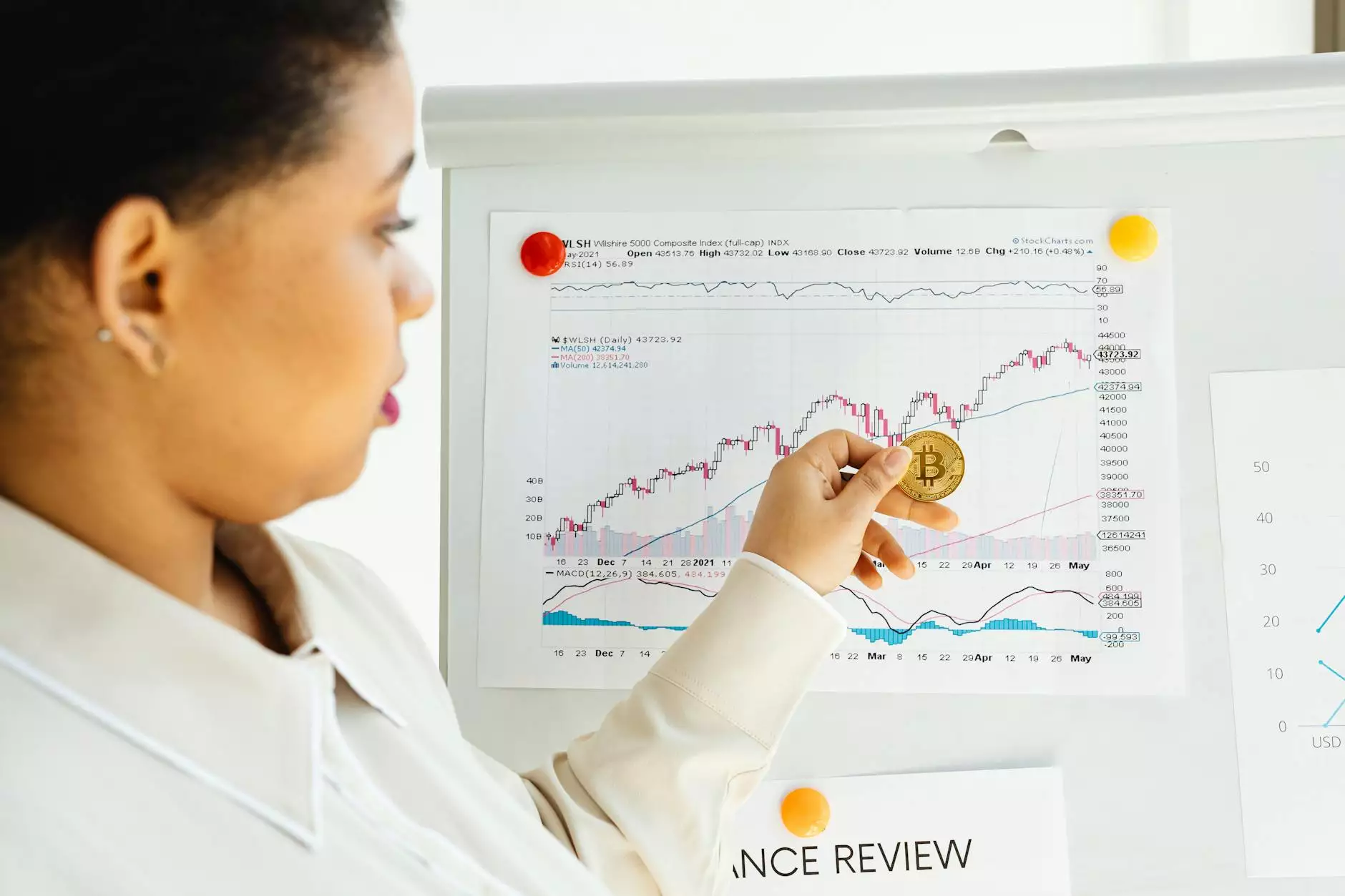
In today’s rapidly evolving marketplace, business owners and entrepreneurs are constantly seeking innovative tools and strategies to stay ahead of the competition. Among these, the Trading Simulator has emerged as an invaluable asset, transforming the way companies approach financial planning, risk management, and strategic decision-making. This comprehensive guide delves into the transformative role of a Trading Simulator in modern business, emphasizing its benefits, application across sectors, and how it can propel your enterprise toward sustained success.
What Is a Trading Simulator and Why Is It Critical for Modern Businesses?
A Trading Simulator is an advanced software tool that replicates real-world trading environments, allowing users to practice, analyze, and refine their trading strategies without risking actual capital. In the context of overall business growth, it functions as an innovative platform enabling entrepreneurs to simulate financial markets, test investment strategies, and hone their decision-making skills in a risk-free virtual setting.
In the fast-paced world of financial services and advising, these simulators serve as educational tools that bridge theoretical knowledge and practical application. They allow users to understand market dynamics, test the efficacy of various trading techniques, and develop a nuanced understanding of risk management—all skills that are directly translatable to running a successful business.
The Strategic Advantages of Integrating a Trading Simulator into Your Business
Adopting a Trading Simulator provides a multitude of strategic benefits that can significantly influence your business's trajectory. These advantages include:
- Risk-Free Practice: Entrepreneurs and traders can hone their skills without financial loss, leading to more confident decision-making in real markets.
- Enhanced Financial Acumen: Simulators provide detailed analytics and feedback, allowing users to better understand market behaviors and financial mathematics.
- Strategic Experimentation: Businesses can test new investment strategies, portfolios, or risk management techniques before implementation.
- Real-Time Market Insights: Simulators often utilize real-world data, offering insights into current market conditions and trends.
- Business Innovation and Diversification: Companies involved in IT services & computer repair, financial advising, and related sectors can leverage simulations to develop new service offerings or optimize existing ones.
How a Trading Simulator Revolutionizes Financial Services and Advising
Financial institutions and advisors are increasingly incorporating Trading Simulators into their service portfolios. The primary reasons include:
- Client Education: Educate clients on market risks and investment strategies through tangible simulation experiences.
- Risk Assessment: Evaluate potential investment portfolios' performance under various market conditions without actual exposure.
- Scenario Planning: Create multiple future scenarios, from bullish to bearish markets, to prepare clients and businesses for unpredictable changes.
- Technology Integration: Enhance IT services by integrating advanced trading modules into financial platforms, delivering smarter, data-driven solutions.
Leveraging a Trading Simulator for Business Growth in IT & Computer Repair
While it may seem unrelated at first glance, IT services and computer repair companies stand to gain tremendously by integrating a Trading Simulator into their suite of tools. How?
- Training and Skill Development: Use simulators to train staff in financial systems, cybersecurity trading platforms, and encrypted communications.
- Innovation in Service Offerings: Develop virtual trading environments for clients interested in fintech, blockchain, or cybersecurity investments.
- Data Security and Simulation Testing: Use trading simulations to test cybersecurity measures under simulated attack scenarios, enhancing security protocols.
- Client Engagement: Offer workshops or interactive sessions demonstrating financial tools, increasing customer engagement and satisfaction.
The Role of Trading Simulators in Financial Advising and Wealth Management
In the financial advising industry, clarity, precision, and risk mitigation are paramount. A Trading Simulator significantly boosts an advisor's capacity to deliver tailored, intelligent advice by:
- Personalized Simulations: Showing clients potential outcomes based on their risk appetite and investment goals.
- Scenario-Based Learning: Demonstrating the impacts of market shocks, interest rate changes, or geopolitical events.
- Building Trust and Confidence: Hands-on experience with simulated portfolios enhances client confidence in investment decisions.
- Continuous Education: Keeping advisors updated with real-time market data and simulation tools for ongoing learning.
Practical Aspects of Implementing a Trading Simulator in Your Business
Effective integration of a Trading Simulator requires considering several practical factors:
- Choosing the Right Platform: Opt for simulators that utilize real-time data, have user-friendly interfaces, and offer customization options.
- Training Staff and Clients: Conduct comprehensive training sessions to ensure effective utilization of the tool.
- Aligning with Business Goals: Tailor simulations to match your specific industry needs, whether financial, IT, or consulting.
- Monitoring and Analytics: Regular analysis of simulation results to refine strategies and improve overall performance.
- Continuous Updates: Keep the software updated with current market data and features to maintain relevance and effectiveness.
Future Trends: The Evolution of Trading Simulators in Business
The future of Trading Simulators is intertwined with technological innovations such as artificial intelligence, machine learning, and blockchain integration. Expect more sophisticated simulations that:
- Incorporate AI-Driven Analytics: Providing predictive insights and personalized strategy recommendations.
- Enhance Immersive Experience: Utilizing virtual reality (VR) and augmented reality (AR) to create realistic trading environments.
- Facilitate Cross-Platform Accessibility: Allowing seamless use across desktops, tablets, and smartphones for flexible learning and testing.
- Promote Data Security: Leveraging blockchain to ensure transparency and security of simulated transactions.
These advancements will empower businesses to make smarter, faster, and more informed decisions, solidifying the Trading Simulator as an essential component of strategic planning and operational excellence.
Conclusion: Elevate Your Business with the Power of a Trading Simulator
In summary, the integration of a Trading Simulator holds unparalleled potential to enhance every facet of your business—from financial planning and risk management to technological innovation and client engagement. Whether you're in financial services, IT solutions, or advisory roles, embracing this cutting-edge tool can transform your strategies, boost profitability, and sustain long-term growth.
By investing in the right simulation technology, training your team effectively, and staying abreast of future trends, your enterprise can enjoy a competitive edge in today’s complex global economy. The power of a Trading Simulator is not just in practicing trades—it's in empowering your entire business to navigate the unpredictable landscape with confidence and precision.
Discover more insights and innovative solutions at bullrush.com, where we specialize in integrating advanced technological tools to strengthen your business foundation.